



Let’s start with your personal journey. Before we dive into your leadership in the advertising world, help us understand the man behind the title. What’s your background, and how did you end up in this industry? Was advertising always part of the plan, or did you stumble into it by chance—like many of us often do?
I literally stumbled into advertising. Let me just backtrack a bit. I was studying pharmacy at university, and one thing I knew—just after a semester in—was that I’d struggle to find motivation or stimulation to be a full-time pharmacist.
Pharmacy felt very prescriptive and boxed in. You have this condition, here’s what treats it. And yet I’ve always wanted my day to be unpredictable. I wanted new challenges. I wanted something new every day. I felt staying in that industry would stifle that part of me. But I didn’t know what I was looking for at the time.
The first thing I did was consider ACCA, because it was the only course I knew that was flexible. But I shadowed a friend who was doing it, and it felt just as boxed in as pharmacy. So that was out. Then a colleague told me about this marketing course—Chartered Institute of Marketing (CIM). I read up on it and found it really exciting. I subscribed to CIM as soon as I finished my fourth year. While doing my internship in pharmacy, I was also studying CIM and sitting for exams.
And that’s where I first read about advertising. It sounded really interesting, so I made a decision: once I finished my internship, I would knock on the door of an agency and ask if I could intern—unpaid—just to see if it’s something I’d like.
And funny enough, one day after rugby training, we were having drinks, and the guys were asking me what I planned to do. I told them this plan of mine, and one of them happened to be David Case. He said, “I have a small outfit. Why don’t you come and try it out?” And that was it. I walked in, did a three-month unpaid internship—and got hooked.
So yeah, almost accidental. My path to advertising only really began in my final year of pharmacy, when I started reading about it in CIM and decided to give it a shot.
So did you ever actually get to practice pharmacy—mixing aspirin or dispensing Panadol—or was it a clean break once you discovered advertising?
No, I still keep my license alive. I’m still an active pharmacist. I maintain my license, complete with Continuing Pharmacy Education (CPE).
Along the way, did you ever have a conversation with your parents about changing direction? I can imagine that at the time, pharmacy—like medicine or law—was considered one of the most prestigious paths, especially in the eyes of parents. Did you have to explain or justify your move into advertising, or were they supportive from the start?
Um, not really. Okay, actually, to be fair—during my internship, I did work in a pharmacy. I worked at a Pharmacy in Kitintale in the evenings. So yeah, I did get behind the counter and do that stuff.
Now, regarding your question—my parents were quite liberal. I mean, yes, they’re baby boomers, but still quite liberal. So they didn’t really pressure me. I wasn’t making a hard exit from pharmacy at the time—I was still finding my feet in what I loved, while continuing to work in pharmacy.
In fact, I was actively working in the pharmacy even when I started out in advertising. It wasn’t until later that I made the decision to fully make a career out of communications. And that was entirely my decision. So I didn’t really have to sit them down and discuss it or get their permission. They trusted me—and they were supportive.
So, looking back to the time when you joined David Case—I’m curious about the broader advertising ecosystem then. How would you describe the agency world at that time, compared to 10 years later, and even today? What was the industry like in those early days?
I mean, I was the fifth person in the agency when I joined—literally the fifth. It was a really small outfit at the time called The Studio. And, sort of, you had to be a jack of all trades. You joined as an account manager, yes, but you were also handling events for your accounts. We didn’t have a dedicated copywriter back then, so you’d end up doing a bit of copywriting, some media planning, a bit of this and that.
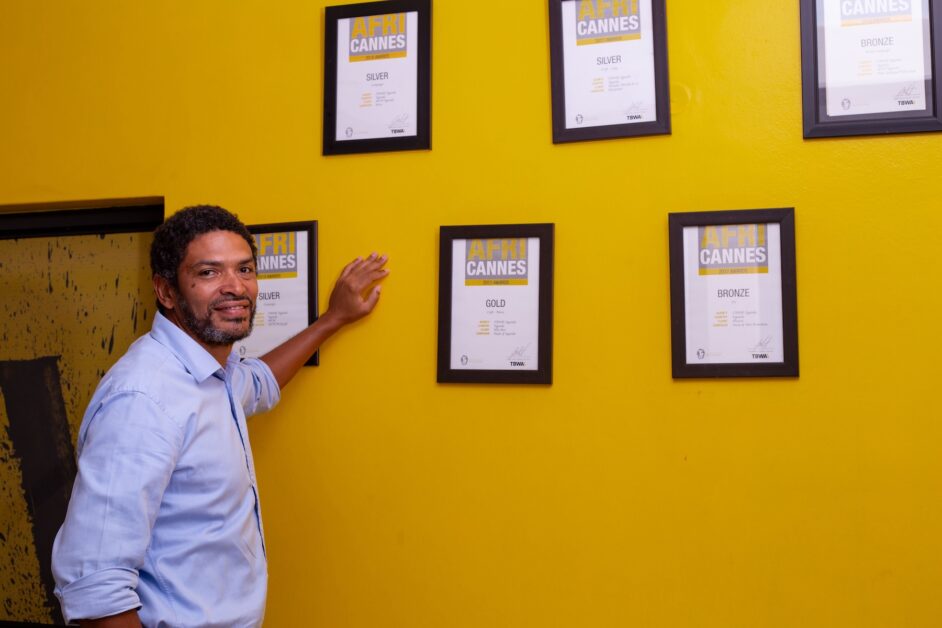
It was really accelerated learning across all facets of advertising. You had to understand events, the creative process… the only thing I didn’t do was design—but everything else, I had to touch and be conversant with. PR, media, events, copywriting, actual account management, and strategy.
And I quickly found that strategy was where I really thrived. It’s what I enjoyed the most. So eventually, I settled there.
From my own experience in the agency world, I’ve come to appreciate the value of understanding as many parts of the ecosystem as possible. Would you say today’s generation in advertising is embracing that same approach—being well-rounded across disciplines—or do you find more people boxing themselves into specific roles? Based on your own journey, what lessons would you share with a young man or woman trying to grow into a standout—maybe even a superstar—in this business?
I think, ultimately, you need to have grounding in all the facets of communication or marketing—depending on what you do and where you want to go. Let’s take, for example, a CMO at a company like MTN. That person oversees PR, marketing, product, business intelligence, research, and agency relationships—across experiential, communications, and more. A CMO may have over 10 different people holding various portfolios reporting to them. So, they’ve got to know enough to give proper guidance. Foundational knowledge in all those areas is important.
Now, that’s probably the highest marketing position you can have here in Uganda. But let’s bring it back to someone just entering an agency: What’s their career path? Is it staying and growing within the agency? If so, they need to be grounded in everything that happens in the agency. Is their goal to eventually jump to the client side, which might offer more options and potential for growth? They still need to know it all.
Even as an account manager—you can’t just receive work from PR, media, digital, or strategy teams and pass it on to the client without understanding it. If the client starts questioning you on aspects of the brief, you have to be able to hold your ground. And if the client happens to be a strategy-driven marketer, they might need to speak to the strategist directly—but you shouldn’t be outshone by your own client. How is your client more of a generalist than you are? How do they know more about media than you do?
So, in roles like account management and especially digital—which is constantly expanding and evolving—you have to be well-rounded. You can’t just specialise in one thing and ignore the rest.
Now, for roles like media or experiential, yes, you might go deep into that tunnel quickly, but even then, it’s a disservice to your long-term career if you don’t understand the broader landscape. Because at some point, you may want to grow or pivot into a new area.
So, yes, I absolutely encourage anyone coming into the industry to spend at least a couple of years getting grounded in all the different aspects of communications.
There’s been a lot of conversation around how few marketing and communications professionals actually make it to the CEO role. But you’ve done just that—rising from an unpaid intern to become the CEO of one of Uganda’s largest, if not the largest, advertising agencies. What are some of the key insights or lessons you’ve picked up along that journey that could help someone who’s aiming to rise to the top of their game and ultimately lead an organisation?
I mean, apart from the qualifications—which of course matter to an extent—what I’ve come to realise over the years is that rising in your career, especially to leadership level, is really about one core thing: leadership.
At a certain point, you stop being the one doing everything yourself, and your role shifts to getting things done through others. That’s a big mental and operational shift. It’s not just about how good you are anymore; it becomes about how effectively you can guide, mentor, and inspire others to deliver great work. And it’s not always easy—because leading people means being intentional about building trust, creating clarity, and empowering them to take ownership.
But that’s just one part of it. The other side is what I’d call never settling. You have to keep pushing, keep raising the bar. One thing I really can’t stand—especially in agency work—is when someone says, “The client was happy.” That line, for me, is almost meaningless. Yes, it’s nice to have happy clients, but that shouldn’t be the ultimate benchmark. I always ask: Are we working for the client as an individual, or are we working for the brand?
Because client happiness is often subjective, you can have clients who are excellent, strategic, and know exactly what they want—but you can also have those who aren’t as strong or clear. And no matter how good or bad your client is, they always have a boss. That boss is going to look at cold, hard metrics. Did this campaign actually move the needle for the brand? Did it change consumer perception? Did it drive engagement, sales, relevance, and affinity? That’s the level of impact we need to be measuring ourselves against.
So for me, it’s always about keeping an eye on the right ball. As an agency or as a leader, you’re not in this to earn pats on the back from individuals—you’re in this to build brands. That’s your true client. So when we talk about leadership in this context, it’s not just about people management; it’s also about strategic discipline—knowing what really matters and holding yourself and your teams to that standard.
Now, that doesn’t mean being rigid or dismissive. You still have to collaborate well, communicate clearly, and be sensitive to dynamics. But it’s a mindset shift: from making clients happy to making brands successful.
And that requires consistency. You have to consistently apply yourself, even when it’s not convenient. You have to put in the work, keep learning, and bring that energy every single day. Because leadership is not just about titles—it’s about responsibility, and how you show up for the people you work with and the brands you represent.
So, if someone is looking to rise through the ranks, especially in this industry, I’d say focus on two things:
- Work through people effectively—develop them, trust them, and lead them.
- Keep your focus on the brand—the growth, the outcomes, the long game.
If you do that consistently, not occasionally or only when someone’s watching, but as a way of life, then the leadership roles and recognition will follow naturally. Because people gravitate toward those who make a real impact and do it in a way that lifts others with them.
And I guess that also ties into the importance of consistently measuring and quantifying the value you bring to the business—so that both your role and the broader function can be truly appreciated, right?
Absolutely, absolutely. That’s exactly it.
Going back to your early days—when you were just starting out, reading about the industry and figuring out your path—were there any people who inspired you or played a role in influencing your decision to join the advertising world?
Again, like I mentioned earlier, I didn’t follow the typical or traditional route into communications. I hadn’t studied it, and honestly, hadn’t even considered it seriously until much later. At the time I was beginning to explore the industry, the biggest agency by far was Saatchi & Saatchi. They were massive—they had MTN, Stanbic, Uganda Airlines, Uganda Breweries, and more. Basically, they had all the brands that were making serious waves in the market.

So I did think about knocking on their door. But it just so happened that I was playing rugby on the same team as David, and one day he said, “Come in and try us out.” I’ve always been the kind of person who prefers joining a team where I can make a visible difference. That’s what appealed to me about a smaller agency. With a big, well-oiled agency machine, you often just fit in and play your part—but you may not be able to change much. I wanted to contribute meaningfully from the start, so the idea of joining a smaller, more nimble outfit made sense.
To be honest, I hadn’t read a lot about the industry, and I didn’t personally know anyone working in advertising. My focus was never really on the personalities—I was more drawn to the brands themselves. I paid attention to what brands were doing, how they were showing up, and what made them successful. That’s where I drew my inspiration—from observing brands and understanding what they were doing right, more than from the individuals behind them.
When you look back at the first half of your career, what would you say were your personal breakthroughs? And linked to that, what were some of the key turning points or milestone moments for the agency during that time?
That’s a really tough question. I actually started thinking about it a bit, and it’s hard to pinpoint specific breakthroughs because, honestly, the early part of my career was just a lot of learning—nonstop learning. Every day, I walked into the office excited to learn something new.
Right from the start, I was thrown into the deep end. In my first year, I was already managing accounts like Nile Breweries, and I found myself leading a major project—the Club was sponsoring a Shaggy concert. At the time, Shaggy was one of the biggest international acts Uganda had ever brought in. There were multiple co-sponsors—Mango, Protector Condoms, and a few others. I was just 7–8 months into the agency and had to coordinate all the sponsors, manage their deliverables, align messaging, and bring it all together under one unified communications platform. It was a huge task, but I was thriving.
At the same time, I was still studying CIM—so after work, I’d log off and put in a few hours of reading. I was also playing rugby for Uganda, which meant four evenings a week of intense training. So, I was juggling all that in my 20s—one foot in front of the other—just soaking it all in, loving it, and learning with no clear plan of whether I’d stay in advertising long-term or not. I didn’t have a structured career roadmap. It was just about immersing myself, being open, and growing.
The first four or five years were really about that—just absorbing as much as I could. Every campaign presented something new. Even if a campaign was successful, the most you could carry forward were the principles behind that success—not the actual insights, because every brief is different, every industry is different, every scenario is different. So the learning had to be dynamic and constantly applied afresh.
Even though we were affiliated with Ogilvy at the time, we still had to build a lot from the ground up. We created our own internal policies and processes. After each campaign, we tried to institutionalise the lessons—write them down, formalise them—so we weren’t starting from scratch every time. We were a small team trying to do everything, so a lot of the institutional learning and operational structure started taking shape during that period.
So yes, it was a journey of learning by doing—getting your hands dirty, absorbing principles, building systems, and evolving through experience. There wasn’t one single breakthrough moment. It was just consistent, relentless growth—personally and institutionally.
That’s interesting. From what I’ve observed, many of the people who’ve been successful in this industry for 15–20 years often started by jumping straight into the deep end. Is that still how you bring young people into the agency today? And is that a model you’d still recommend? Personally, I always tell those looking to build a career in communications or marketing that starting in an agency is the best way—it’s tough, but it teaches you fast. If you can weather the storm, you come out stronger. Do you still believe in that approach?
Yes, I’d still recommend that approach—but with some caveats. I can really only speak for the agency I work with now, but things have changed quite a bit from how they were 20–25 years ago.
As I mentioned earlier, we’ve now built out a lot of policies and processes. There’s a whole structure in place. In fact, someone joining today could easily spend their first two to three months just reading through all the documentation—service level standards, job tiering, role definitions, timelines, accountability frameworks, and so on. And it’s not just for creative work—it covers production, experiential, everything. So the system is robust.
Because of that, you don’t necessarily need two or three hard years of trial-by-fire learning just to understand how the agency works. You can get up to speed much faster now—within a few months—if you take the process seriously. But here’s the key: you still have to go through the process to truly appreciate it.
Knowing the process on paper is one thing. Experiencing it and understanding why each step matters is another. You need to ask, Why do we do this? Why is this important? That understanding only comes from doing the work, going through it, sometimes even messing up—and learning from that.
So yes, we’ve definitely shaved off two or three years of basic learning time thanks to systems and structure. But the real, hard-earned experience—the practical wisdom—still has to be acquired. There are no shortcuts for that. What’s different now is that you’re no longer figuring it all out from scratch like we had to do 25 years ago. Today, you’re building on a solid foundation—but you still have to build.
And starting in advertising as the beginning of a career in marketing or communications? Absolutely. It is the accelerated learning launch pad for your career. Consider a law firm vs being in-house corporate for a lawyer – you’d have much more depth and breadth in what you experience in a law firm handling several clients than in one corporate. And that depth and breadth will serve you well if you decide to make the corporate switch later.
Let’s talk about how the challenges in the industry have evolved over time. For instance, 15 or so years ago, the big concern might have been talent—but retainers were more generous back then. How have those challenges shifted over the years—say, 10 years ago compared to now? What’s your perspective on how the industry’s pain points have changed over time?
Yeah, it’s definitely a big shift—and I’d say the challenges have evolved on three main fronts.
First, the consumer. Today’s consumer is far more exposed and informed than they were 15–20 years ago. Thanks to social media, they’re seeing what similar brands are doing—not just locally, but in emerging and first-world markets too. They’re exposed to global best practices, and even at the so-called mass market level, the sophistication has gone up significantly.
Just to put it into perspective, 20 years ago, we had maybe 200,000 electricity connections in Uganda. Now, there are over 2 million. With that comes access to TV, digital screens, smartphones, and of course, platforms like WhatsApp. Consumers are now more connected, more opinionated, and more aware of what brands are doing elsewhere—so naturally, their expectations are much higher.
Second, the client. Clients themselves are now more exposed and a lot clearer about what they want. You’ll get briefs with direct inspiration from global campaigns, and you have to manage those expectations carefully. It’s no longer a case of the client saying, “You’re the experts—come back with your magic.” No. They’ve seen what works elsewhere, and they’ll expect you to deliver on that level.
But as an agency, you have to help them contextualise it. Yes, this campaign may have worked brilliantly in South Africa or the UK—but what principles made it work, and how do those translate to our market? That’s where your value as a strategic partner really comes in.
Third, the talent. The people coming into agencies today are trying new things, and they’re coming in with ideas already shaped by tech—especially AI. Some are saying, “This is what AI gave us—here’s the nuance we’ve added on top.” So the conversation isn’t starting from scratch anymore. There’s a baseline, and the creativity is now in how you adapt or elevate it.
So really, across the board—consumers, clients, and talent—exposure is several notches higher than it was two decades ago. That has fundamentally changed the landscape. And it means that as agencies, we have to evolve too—in how we work, how we guide, and how we stay ahead.
And from a commercial standpoint, how are the margins looking these days? Have they improved, declined, or just shifted in nature over the years?
Margins—well, they vary. I’ll be honest: traditionally, multinational clients have offered better margins. But even there, things have evolved. Multinationals have become a lot more sophisticated in how they arrive at retainers. It’s no longer just a flat fee—they now expect agencies to put skin in the game.
What that means is, they take the business or marketing KPIs, filter down the ones relevant to communication, and say, “These are our joint KPIs—you, the agency, and us, the marketing team, must meet them together.” So even though the fee structure is more work-based, they usually hold back 5–10% of your fee, which becomes performance-based compensation.
When you look at typical margins—say 15% to 20%—holding back 10% of the total fee could mean half of your entire margin is at risk. So in effect, you could be working almost at cost if you don’t hit those KPIs. But we actually welcome that approach. It keeps us honest. It ensures we’re not just doing work that makes the client happy—we’re helping move the brand forward in measurable ways.
Of course, a small part of those KPIs is about the chemistry and the relationship—are we responsive? Do we collaborate well? But that’s just 10%. The other 90% is brand performance. So we’re being held accountable not just for creative quality, but for actual business impact.
With regional or local clients, the model is still a bit different. It’s more straightforward. They’ll usually say, “This is our budget, and these are our expectations.” At that point, you decide—do you take it on or not? Is it a brand you want to work on? Is it worth it for the business? Sometimes you say yes. Other times, it’s a “thank you, but no thanks” situation.
When we assess potential clients, we look at three things—we call them the three Fs:
- Fame – Will the work give us room to do something impactful—something famous? Will it build the brand and, by extension, build our reputation as an agency? Or are they just going to box us in and treat us like a sausage factory?
- Friends – What’s the relationship like? Are they respectful of our process, our people, our time? Do you actually want to pick up the phone when they call—or is it always top-down instructions and no dialogue?
- Finance – Does it make business sense? Will it cover the bills, sustain the agency, and allow us to look after our teams?
Our rule is simple: a client must check at least two of those three boxes. You can’t be disrespectful and also refuse us the opportunity to do good work, no matter how much you’re paying. That burns people out. Likewise, you can’t underpay us and also treat us poorly—even if you’re giving us freedom to be creative. That’s just not sustainable.
So when we evaluate opportunities, we ask: do we get at least two out of the three—Fame, Friends, and Finance? That’s how we keep the business healthy and the work meaningful.
You’ve worked with some clients for a remarkably long time, and I was going to ask what it really takes to build and maintain those kinds of enduring relationships. But I think you’ve already touched on that with the ‘three Fs’—Fame, Friends, and Finance.
That said, when you look back over your career, are there any particular campaigns or moments that stand out—projects you’re especially proud of? The kind you’d want mentioned in your biography one day? What kind of work, for you, really captured the essence of what great advertising can do?
Yeah, I’d say there are definitely a handful of standout campaigns—but I always think of a campaign a bit like a hit single. You know, it’s like asking, “Who sang the Macarena?” Sure, it was a global phenomenon, but sometimes it’s just that—one big hit.
For me, it’s less about a single campaign and more about the body of work we’ve been privileged to build over time. We’ve had the honour of working with some incredible brands for many years—DStv, for instance, which is now coming up on 30 years since it launched in Uganda, and we’ve worked with them the entire time. We’ve been with Nile Breweries and their various brands for over two decades. Plascon is another—we’ve worked with them for more than 15 years. These long-standing relationships mean a lot to us, and we don’t take them lightly.
Of course, some campaigns have really resonated with the market. The Bosco campaign for MTN, for example, was one of those that truly transcended the typical advertising cycle and became a cultural moment, especially in the age of social media.
But if I had to pick one thing that stands out most, it wouldn’t be a campaign—it would be a brand. And that brand is Nile Special.
We started working on Nile Special around 2003 or 2004. Back then, it was mostly being handled out of Nairobi, and it was seen as, well, your dad’s beer. It lagged far behind Bell in terms of brand equity and was generally struggling. When it came to us, we went back to basics—we developed strong foundational principles for the brand and committed to applying them consistently across every touchpoint.
We didn’t just run ads. We worked on the brand through sponsorships, trade activations, national moments—you name it. And slowly, over the years, Nile Special evolved from a distant, aged brand into a true power brand in Uganda.
The market may not remember one single defining campaign like they do with Bosco, but they feel the brand. That, to me, is even more powerful. It’s when a Ugandan wins gold at the Olympics and a commentator spontaneously says, “Nile Special will be flowing in the streets of Kampala tonight.” That kind of resonance… that’s gold.
So yeah, if there’s one thing I’d proudly place in my biography, it’s Nile Special, not for a single campaign, but for the 20-year journey of building something iconic. That’s what makes this work meaningful.
Looking back to when I had just started out in PR, I remember clients would get really excited just to see their stories appear in The Monitor or The New Vision—that alone felt like a big win. But of course, a lot has changed since then. The media landscape has expanded, the channels have multiplied, and the expectations have evolved.
From your perspective, what made agency work or campaigns stand out back then? And would you say that the ingredients for impactful work have changed over time—or have they largely remained the same, just adapted to new platforms and contexts?
There’s been a massive shift. If we’re talking 15 or 20 years ago, it was a very one-sided conversation. As a brand, you had a message to put out, and you did that by buying space in the paper, on TV, or taking the biggest billboard on the highway—and that was that. That was the playbook.
But today, that kind of visibility is just hygiene. It’s the bare minimum. A brand launch today must grab attention and live within the culture of its audience—and that culture is constantly evolving. So your brand has to be agile. It has to live and breathe in the consumer’s world, at the speed at which their culture evolves.
The power dynamic has completely shifted. The consumer is now in control of what they consume. I honestly don’t know anyone below 35 who still reads or buys a newspaper—or who’s really influenced by a static billboard. What they are doing is spending 5 to 10 hours a day on their screens. That’s where their attention is—and that’s where brands need to be, but not just visible, also relevant and engaging.
It’s not enough to appear in their media feeds. You have to fit into what they like, what they’re doing, and what they care about. When a brand can enter those conversations organically—that’s the holy grail for comms. Whether it’s through the right influencers, cultural moments, or compelling storytelling, the aim is to belong in their world, not interrupt it.
So yes, we’ve gone from a push model to a dynamic of engagement, relevance, and participation. It’s a complete 180-degree shift—the consumer now holds all the power.
Looking at the client side, would you say there’s been a shift in how agencies are perceived? Are clients today more appreciative of the role external agencies play, especially as trusted advisors in shaping their brand and driving business objectives? And would you say there’s been a change in the level of respect and partnership over time?
There are two levels to it. The multinationals have always been respectful, but even then, that respect and appreciation for the value that external agencies bring have grown over time. Today, they’re engaging agencies much more as true partners. Where previously only one or two clients might have involved you deeply, now you’re part of brand workshops, strategic planning sessions, and even annual marketing reviews. You’re engaged at the most strategic levels, which shows a real shift in how agencies are valued.
Even on the local and regional client side, there’s been a noticeable change. This is largely because marketing professionals themselves are now more exposed—they’ve seen global case studies, they understand the value of strategy, and they’re more open to collaboration. In the past, it was more of a transactional approach: “This is the ad I want, and I need it by 4 pm.” But now you’re more likely to hear, “This is the problem I’m trying to solve—how would you approach it?” That shift is significant.
Related
 Meet Paul Mbuga, the Corporate & Commercial Lawyer Advising MTN on Its Fintech Separation
They’re beginning to recognise that, while it’s easy to hire a designer and churn out content in-house, what they get from an agency is a whole different value proposition. It’s not just execution—it’s about bringing in specialists who are experienced, who have a track record, and who can offer cross-disciplinary insights. So yes, I’d say the appreciation for agencies, both multinational and local, has definitely grown.
And speaking of being seen as a trusted advisor, I imagine that respect isn’t automatic. It has to be earned. From your experience, what does it really take for an agency to reach that level where clients see you not just as a service provider, but as a strategic partner? Are there particular principles, behaviours, or practices that you think are essential to earning—and sustaining—that kind of respect?
Absolutely—and for me, it all comes back to people and purpose. Clients can tell when you’re genuinely passionate about their brand. At our core, we always say we work for the brand. That mindset allows us to go beyond simply responding to briefs—we’re able to challenge them. We can look at a brief, understand where it’s coming from, and say, “Look, even if we executed this perfectly, it might not solve the real problem.” That ability to push back, to interrogate and debate at a strategic level, is where respect begins.
When clients see how invested you are—not just in ticking the boxes, but in seeing their brand grow and succeed over time—they begin to trust you more. They realise you’re not just doing this to earn a retainer and deliver outputs; you’re doing it because you’re committed to helping the brand move from point A to point B in terms of impact and KPIs.
We’re very hard on the work, but soft on the people. We debate ideas internally and with our clients because we want the best possible outcome. That doesn’t mean the client always agrees. Sometimes they’ll say, “We hear you, but go ahead with what we’ve asked.” And that’s okay. We recognise that we may not always have the full context—sometimes the client has other considerations or pressures we’re not aware of. And truthfully, sometimes they’re right. We learn from those moments. Sometimes they’re not, but it doesn’t stop us from showing up the same way the next time.
Ultimately, it’s about showing consistent commitment. When clients see that your passion is rooted in the success of their brand and business—and that you bring rigour, strategic thought, and care to the process—they begin to give you more room and more trust. And yes, it also means having a team that applies themselves fully, even if we don’t always get it 100% right. What matters is that they can see the effort, the intent, and the thinking behind the work. If we fall short, it won’t be for lack of trying. And that’s what builds long-term partnerships.
Let’s talk about people—because, as you’ve said, they’re arguably the most critical ingredient in this business. And working with young creatives means you’re dealing with incredibly talented individuals, but sometimes that creativity comes with its own challenges—even disruptive tendencies. How do you go about attracting and retaining this kind of talent? What strategies do you use to mentor them, keep them engaged, and help them grow within the agency?
When you find the right answer to that, please share it with me!
The truth is, at the end of the day, we’re still an SME. We don’t have the luxury of a fully-fledged HR or talent management department that maps out every individual’s career journey. So from the start, we make it clear—we’re looking for self-driven people. We’ll support you, guide you, and create the space for your growth, but you have to take ownership of it. If you’re waiting for the agency to handhold you through every step, this may not be the right place for you. You probably need a large corporation with well-structured HR systems.
That said, we do offer a lot of opportunities—for depth and breadth of work. But it’s up to you to grab them. What’s worked for us particularly well is decentralisation. We’ve embraced that over the past five years, especially around the COVID period, and it’s made a huge difference.
No one manages more than five people directly. For instance, in the Creative Department, you’ve got a Studio Manager overseeing a small, focused team. The Copy and Art functions are led by senior creatives, and each leader only manages a handful of reports. If someone wants to grow within their function—say, a designer wants to evolve into an art director—they don’t have to wait for the Creative Director to notice them. There are layers between them and senior leadership, and that gives room for closer mentorship, accountability, and faster development.
Ultimately, people want to know they’re growing—and contributing to great work while doing so. That’s what we focus on. Have we always gotten it right? No. We’ve had people come in and quickly realise the setup wasn’t what they expected. Some thought they’d get noticed by just being around, only to find we expect them to take initiative. And when they leave, we respect that. There’s a bit of turnover, especially with the current generation, but we keep learning and improving.
At the core, we look for three things in our people: talent, effort, and passion. Ideally, you have all three. But if you can bring at least two—especially effort and passion—we can build from there. Talent alone, without drive or commitment, doesn’t get you very far in our system. We want people who take pride in their work, who want to put their name behind it and say, “I did that.” Because when you have that—from top to bottom—the work just keeps getting better.
Back in the day, when I was still very active in the industry, it was quite normal—almost expected—for people to sleep in the office or work well into the night. In fact, providing dinner for those staying late used to be a standard cost centre. But things have shifted. Today, there’s far greater awareness around mental health, burnout, and the toll of high-pressure environments. From your experience, how has the industry evolved in balancing this intense work culture with the need for healthier, more sustainable talent management and retention? How are you managing that balance within your agency?
We try—and I emphasise try—to strike a balance, but the reality is the industry hasn’t changed all that much when it comes to intensity. There are still last-minute emergencies, compliance deadlines, or unplanned briefs—some caused by clients, others by ourselves—that require long hours. That said, I think there are a few key ways we’re trying to manage it better.
First, we set expectations clearly with people coming in. As you rightly pointed out, anyone starting out in marketing or communications should ideally spend 2–3 years in an ad agency. It’s an incredible period of accelerated learning. After that, when they move to the client side, they’re often amazed at how much time they seem to have in a day—because agency life trains you to work fast, think critically, and deliver under pressure.
So, we tell people: you can choose to commit to those 2–3 years, absorb as much as possible, and grow fast—or, if you stay beyond that, ideally you’ll have grown into a position where the intensity is more manageable and you’re able to work smarter rather than just harder.
Second, we’re fortunate to have built a sizable team over the years, which gives us some flexibility. If someone’s been under intense pressure for a few weeks, the team tries to redistribute work—say, assign a new brief to someone fresher so the other person can decompress. That internal collaboration really helps us manage burnout more proactively.
But at the end of the day, this is still the nature of the industry. It’s demanding, it’s fast-paced, and there are high expectations. So, we encourage our people to make an informed choice. Some will embrace it as an investment in their growth; others may decide it’s not for them—and we respect both decisions.
And just building on that, let’s now look at the same question—but from a senior management lens. Because, of course, pressure in an agency setting is applied differently depending on your level. At the leadership level, what would you say are the hardest parts of agency leadership today? And in that same vein, what are some of the things that keep you up at night as a leader in this industry—issues you feel need to be addressed for the business and the industry at large to run more sustainably and effectively?
We’re in a very privileged position now, largely because we have a truly solid team. My direct reports are clear on objectives, dependable, and they take a lot of weight off my shoulders. So, compared to 10 years ago—even though we now have a larger client base—I actually don’t feel significantly more pressure. That’s a testament to the strength of the team and the systems we’ve built.
I’d like to think that the people who report to me also don’t feel overwhelmed, because they, too, have great teams around them and working systems in place. That’s the key: people and systems working hand in hand.
If I look back, say 14 years ago, I used to call myself the chief firefighter. I’d walk into the office expecting to put in 10 or 12 hours a day, and 70–80% of that would be spent fighting fires—crisis after crisis. That’s no longer the case. Today, thanks to the systems we’ve implemented, maybe only 10–20% of my time is spent firefighting. The rest is planned, proactive work.
These systems give us early warning signs. For example, if a client expects work by next Thursday, but our tracking shows it’s slipping behind, we’ll know that by Wednesday this week. That allows us to have an honest conversation with the client—explain the situation, realign timelines, and find ways to close the gap. That’s far better than having a crisis erupt at the CMO or CEO level next Thursday, scrambling to fix things last-minute and pulling people off other jobs, which only creates more problems.
So yes, pressure still exists—it’s an ad agency after all. A tier-one job can land on your desk out of the blue, triggered by something that happened overnight. That kind of reality will always be there. But what’s changed is how much more we’re able to anticipate, prepare, and manage.
Importantly, our systems are not just internal—they include the client. We co-create annual plans, break them down quarterly and monthly, and have regular check-ins. So both sides stay in sync, expectations are aligned, and surprises are fewer. That integration of systems, with people both inside and outside the agency, has made a big difference in how we operate and deliver.
Looking at the industry more broadly, are there any particular trends or developments that keep you up at night? Things you find worrying—either in how the business is evolving, the talent pipeline, client dynamics, or even the future of agencies?
Yes, absolutely. There are a few things that keep me up at night—especially around how fast the media landscape is shifting, and what that means for agencies like ours. One big area is AI and automation. It’s no longer something in the distant future—it’s already here, disrupting how we create, test, and deliver work. In fact, in some cases, clients actually have access to better AI tools than we do. So the question becomes: How do we stay ahead? How do we ensure that the work we’re presenting hasn’t already been passed through an AI filter on the client side?
We have to start from the assumption that the client is using AI—and use it ourselves, not just to catch up, but to go a step further, and push creative boundaries beyond what AI alone can do. It’s a real challenge to integrate AI in a way that enhances creativity rather than diminishes it. We can’t afford to lag behind. I believe we have maybe 12 months—max—to become truly fluent and competitive in how we integrate AI. Beyond that, if we haven’t figured it out, we risk being outpaced.
The other thing is the rise of peer-based influence and real-time digital metrics. Brands now get feedback loops instantly—from influencer campaigns, content drops, or even a single tweet. That changes how we define success and how fast we must respond. But not all brands evolve at the same pace, which makes it tricky. The big worry is: Can we move fast enough, adapt fast enough, and still deliver ahead of expectations in this always-on, algorithm-driven world? That’s the pressure we’re under—and it’s real.
And speaking of AI, I know the landscape keeps evolving rapidly—but from your perspective as a leader, how are you currently approaching it? Maybe not necessarily the agency’s formal position, but for you personally, what stance have you taken on AI? Are there internal discussions or a working policy around how the agency integrates or responds to AI—both as a creative tool and as a disruptor?
We haven’t developed a formal policy on AI—at least not at the agency level yet. But from a group perspective, there are already some interesting initiatives underway. For example, TBWA is feeding in award-winning and best-practice campaigns into AI models to explore what inspiration or innovation can be stimulated from that. So, at the network level, there’s definitely movement.
At our agency level, it’s more organic for now. We’re actively encouraging everyone to experiment with AI—whether it’s using it as a foundation for creative ideation, drafting, or even strategic framing. We’re essentially learning as we go and pushing our teams to be curious, engaged, and open to AI as a tool.
Personally, I believe it’s about integration, not replacement. If I’ve got 20 years of experience in strategy, for instance, that should give me a better understanding of how to frame powerful prompts. And it also equips me to critically evaluate AI-generated output—spotting what’s solid, what lacks nuance, and what needs sharpening. That human insight still matters a lot.
So, we’re not throwing away our expertise. We’re enhancing it. AI has its limitations, of course—it’s still evolving. But its potential is massive, and where it could be a year or two from now is exciting, even mind-blowing.
The key for us is to keep engaging with it. You can’t fight this wave. The smart – only – move is to use it—use it well, use it fast, and make it work for us. That’s the mindset we’re nurturing internally.
Earlier, we spoke about talent, and I’ve heard from quite a number of industry leaders that managing Gen Z requires a completely different mindset and approach. And I think it’s more than just an observation—it’s becoming a reality across many workplaces. Given that our industry employs a lot of young people, what’s been your experience managing Gen Z talent? Do you find them particularly different, and if so, in what ways?
Yes, absolutely—it’s something we’ve had to reckon with. When it comes to Gen Z, the biggest difference we’ve noticed is in expectations. They tend to be much clearer and more assertive about what they want from work and life. They’re more exposed, more deliberate about their boundaries, and far less tolerant of environments that don’t align with their values or ambitions.
So we’re trying. We’re experimenting with different models to accommodate that. For example, where we’ve identified exceptionally talented individuals who prefer not to be in a traditional 9-to-5 setup or who don’t want to be “trafficked,” as we say in agency terms, we’ve offered them freelance-style arrangements. They work on a project basis, are paid per task, and have the flexibility to work on their own time and with their own tools—though we do offer access to our equipment when needed.
But I have to be honest: those arrangements still make up less than 5% of our workflow. The bulk of our work still needs to be delivered day-to-day, collaboratively, and at a pace that meets client expectations. So while we’re open to evolving and experimenting with hybrid models, we’re not in a position to overhaul the entire agency structure just yet.
That said, we’ve also built some flexibility into our systems. For instance, when our internal studio is overwhelmed, we have an outsourced studio team we work with to manage overflow. So in a sense, we’re trying to adapt without compromising the standards and speed our clients expect from us.
In the end, it’s a balancing act. We want to leave space for exceptional talent—especially those who may not thrive in traditional setups—but we also have to be practical about what the business demands. There’s no one-size-fits-all solution, but we’re definitely keeping an open mind.
As we begin to wind down, I want to touch on something I often refer to as ‘staying sane in the fast lane.’ Over time, as a leader, you begin to recognise the recurring pressures and challenges that come with the territory—whether from the industry, your role, or the expectations placed on you. How have you learned to cope with these pressures? Are there any personal routines, strategies, or philosophies you’ve adopted that help you stay grounded and mentally balanced amidst it all?
Yeah, I think for me, the need to stay sane really became clear about 13 years ago. At that time, I was completely burnt out. I honestly felt like I had reached the end of the road—I was struggling. That was a wake-up call. I got a business coach and began to explore systems and practices that could help me not just survive, but grow.
One of the biggest lessons I took away from that period is the importance of real work-life balance. I know that phrase gets thrown around a lot and can sound cliché, but for me, it’s been transformational. I’ve come to understand what genuinely rejuvenates me—what sharpens my soul. I love being outdoors and playing golf. While the gym is not my thing, tennis is. So I intentionally structure my week to include those things. My weekly calendar has three clear segments: Me, Work, and Community.
The “Me” segment is the biggest. That’s my time to recharge—whether it’s a game of golf or tennis, time with my son and friends or quiet me-time. These aren’t optional extras. They are sacred to me. Because I’ve learned that if I don’t take care of myself, I can’t show up for the business or for others in any meaningful way.
The second bucket is Work, where I wear both hats—as Managing Director and as the Strategy Lead. The third is Community, where I contribute to communities like golf, rugby, and other initiatives I care about. But again, all of it starts with me—how I plan, how I show up, how I protect my state of mind.
For instance, a game of golf on Saturday or 15 minutes of chipping in the backyard might be all I need to reset. A Tuesday morning tennis match at 7:00 am doesn’t disrupt work, but it sets the tone for the day. And I’m fortunate—I’ve done enough therapy and coaching over the years to understand what works for me and what doesn’t.
But even with all that, I’d be lying if I said it’s all personal discipline. A huge part of my ability to stay grounded is the team around me. I’m really lucky to work with a solid team and to have strong systems in place. If I walked off that tennis court only to find crisis after crisis, I’d still burn out—no matter how much golf I play. So yes, I do my part in carving out time for myself, but I also rely heavily on the great people we have and the systems we’ve built—internally and with clients—to minimise chaos and maximise clarity.
One thing I’ve come to value deeply is long-term client relationships. We’ve worked with most clients for over five years, and that brings a different kind of rhythm and understanding. I always say it takes at least three years for a system to fully settle and demonstrate value. Less than that, you’re still in the heavy lifting stage.
There’s a great article by Jon Little from South Africa on Return on Relationships—I’ve shared it many times. Because the truth is, the deeper the relationship, the more you understand the client’s business, their culture, even nuances like tone of voice. If a client who never raises their voice suddenly sounds agitated, we know it’s serious, and we rally. If it’s one who cries wolf often, we approach differently—but strategically. That kind of intuition and chemistry only comes with time.
So, in short, what helps me stay sane in the fast lane is a combination of:
- Clear personal rituals and boundaries;
- A strong team and solid systems;
- Deep, trust-based client relationships;
- And a conscious effort to align all three around a sustainable way of working.
It’s not perfect, but it’s a space I’m very grateful to be in.
Maybe as a final question from my end—since you mentioned the value of return on relationships and also hinted at frameworks like the ‘three Fs’—if you were sitting down with a fellow agency leader who is at a crossroads in their journey, and you were coaching them, what would you say are the key lessons you’ve learned over the years? What advice would you offer that could help them navigate whatever challenges they’re currently facing?
Without knowing exactly what issues the agency leader might be facing, I can only offer some broad reflections. But one principle I always come back to is this: for an agency to truly thrive, it must be crystal clear about who its real boss is—and that boss is the brand.
It’s not the client. It’s not the company paying your salary. Whether you’re an account manager, a digital community manager, or even the managing director, your loyalty, your decisions, and your accountability must centre on the brand. Once that becomes clear, you begin to approach your work differently. It frees you up to be honest, to push back constructively, to debate and align—whether you’re talking to the CEO of the client company or someone in the agency’s own leadership, because everything is in service of what’s best for the brand.
Now, when we talk about a brand, I always say a brand is like a human being—it has a character. It has a personality. And it must be allowed to grow and consistently show up in a way that reinforces that character across every touchpoint. If we don’t recognise that, we fall into the trap of chasing “one-hit wonders”—great campaigns that shine briefly and disappear. But building a brand is about longevity and consistency.
Let me use an example—look at someone like Nelson Mandela. If he had died at 28, we probably wouldn’t know him the way we do now. But because he lived long and endured through different seasons, his character—resilience, forgiveness, statesmanship—had time to fully evolve and become known globally. Same with someone like Mother Teresa. We may not know all the details of her life, but her persona is firmly imprinted on the world because of her long-standing, consistent character.
In the same way, a brand must live and breathe its purpose consistently. Strategy plays a huge role in this—often undervalued in many agencies. Strategy anchors that brand character. It helps ensure that over five, ten, fifteen years, the brand’s voice and role in people’s lives remains clear and constant—even as insights, campaigns and creatives evolve.
So if I were advising an agency leader at a crossroads, I would say: start by realigning everything back to the brand. Ask yourself: what is this brand’s foundational character? Are we honouring that in everything we do? Are we building equity, not just visibility?
Once you have clarity on that, everything else—your systems, your teams, your processes—can be organised to serve it. That, to me, is at the heart of lasting success in our industry.
There are some who might argue that true impact requires time—perhaps even the kind of time that allows one to lead longer in order to fully understand and shape things. But we won’t get into that debate.
That said, is there anything you feel we haven’t touched on? Perhaps something you’d have liked to express but didn’t get the chance to because it didn’t come up in my questions?
I think I’ve been pretty comfortable with the ground we’ve covered—it’s been a good conversation, and I’ve enjoyed learning through it as well. But perhaps one last thought I’d add is about the importance of single-mindedness—especially for both agencies and clients.
Often, when we’re crafting a campaign or intervention, there’s a temptation to chase multiple objectives—some of which might be secondary or even tertiary in importance. But I’ve found that being crystal clear about the one thing we want to communicate or achieve makes all the difference. When everyone—on both the agency and client side—is aligned on that single-minded objective, everything else becomes easier: creative evaluation is more straightforward, expectations are clearer, and the work is much more focused and effective.
That doesn’t mean you can’t have other goals. Of course, there may be supporting objectives—whether that’s driving awareness, encouraging trial, or building advocacy. That’s where a robust go-to-market plan (GTM) comes in. A good GTM considers where different consumers are on the journey and tailors touchpoint interactions accordingly. But the main communication idea—the hero piece that anchors the campaign—needs to be singular and sharp.
So yes, I’d just emphasise the discipline and clarity that comes with single-minded communication. It’s something that can easily be overlooked, but when done right, it significantly improves the quality and impact of the work.
Looking back over your journey—leading teams, navigating clients, growing brands, and building an agency—are there moments where things didn’t go as planned? What are some of the most valuable lessons you’ve drawn from those failures or setbacks, and how have they shaped the way you lead today?”
Absolutely—we’ve definitely had our fair share of campaigns that didn’t quite achieve the objectives we set out for them. But I often reflect and ask myself: Does that necessarily make them failures?
Take the Bosco campaign, for example. You remember it. As a consumer and industry insider, you probably understood the core message—that it was meant to drive uptake of MoMoPay at the time. But even with all its visibility and recall, it didn’t significantly move the needle on driving MoMoPay usage. However, it did something else—it shifted brand perception massively. People noticed it. It sparked conversations. It made the brand more memorable. Even now, people still reference it. So, while it may not have hit the original KPI, it delivered tremendous brand equity.
The same goes for the “John“ campaign for Nile Special. People loved the creative. They found it entertaining and memorable. But when we later evaluated the takeout, it was clear the core message hadn’t landed as clearly as we’d hoped. Again, that’s not necessarily a failure—it’s a learning moment.
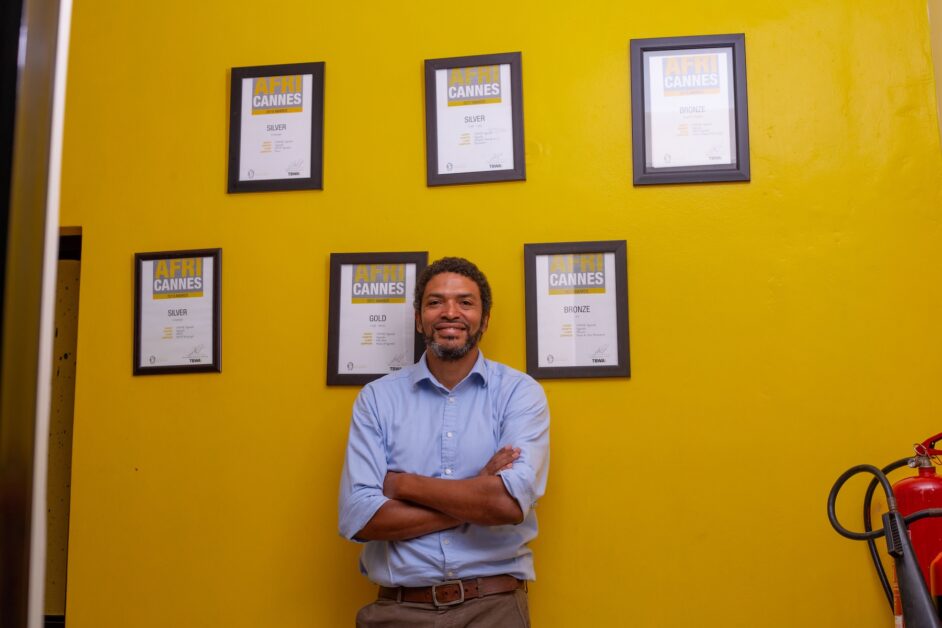
I think, as both agency and client, we’ve been lucky to work with thoughtful partners who recognise that not hitting a specific metric doesn’t equate to failure. If people saw it, engaged with it, formed an opinion about it—even a mixed one—it means they cared. And in a cluttered market, that’s a win in itself.
Of course, we aim to minimise negative reactions, but sometimes even a polarising campaign still builds relevance. The key is to be clear from the outset: are we aligned that this campaign will do a job for the brand? If both the agency and client answer that with conviction, and the execution reflects that thinking, then it’s hard to call the result a failure—even if it falls short in one area.
So yes, we’ve had campaigns that underperformed on certain metrics, but none I would classify as outright failures. They’ve all taught us something—what to do more of, what to avoid—and that’s invaluable. We see them as steps in the ongoing process of learning, refining, and ultimately growing the brand.
Actually, your previous answer brings to mind another important aspect of agency leadership—team morale and resilience. I’ve seen firsthand how passionate agency teams can be, especially when working on a high-stakes pitch. The energy is palpable—people are pulling late nights, some even sleeping at the office for days, pouring everything into the work. But then there are moments when, despite all that effort, the pitch isn’t won, or worse, the client doesn’t even provide clear feedback.
As a leader, how do you handle those moments of disappointment? What have you learned about rallying the team after a big letdown—whether it’s a lost pitch or a campaign that didn’t meet expectations? How do you re-energise your people, keep their spirits high, and get them focused and motivated for the next assignment?
I think one of the things I’ve been fortunate with is having a fairly experienced and grounded team. They understand that in this business, we won’t win every pitch—and that’s okay. What matters is how we internalise those experiences and what we take from them.
Personally, I view every pitch as a learning opportunity. Even if it’s for a category we’ve worked in before, things are always evolving—consumer expectations, market dynamics, media behaviour. So, for me, every pitch deepens my strategy arsenal. I’m always excited about new industries we haven’t worked in; they stretch our thinking, challenge our assumptions, and help us grow both individually and as a team.
That’s the mindset I try to pass on to the team: whatever the outcome, we’ve banked knowledge. We’ve stretched our creative and strategic muscles. And that’s never wasted. One day, that insight or idea may be exactly what another client needs.
In fact, we’ve had instances where ideas we developed for one pitch—unsuccessful as it may have been—found new life elsewhere. We’ve been very deliberate about protecting our IP and making it clear to clients: until there’s a signed engagement, our pitch ideas cannot be used. And because of that, we’ve successfully adapted and repurposed strong ideas for different brands, sometimes even in unrelated sectors.
So yes, we may lose a pitch, but we never lose the value. Either we’ve learned or we’ve created something that will serve us later. The team also knows this. They often say, “It’s their loss”—not out of bitterness, but because they truly believe in the work we put forward. That mindset—resilient, optimistic, focused on learning—is what keeps us moving forward.
You mentioned being fortunate to work with great, understanding clients—and I think that’s something every agency dreams of. But the reality is, not all clients may start off knowing how to get the best out of their agency relationships. Some are working with an agency for the very first time, and others may not even realise when they’re being difficult or counterproductive.
Given your experience working with dozens—maybe even over a hundred—brands and clients over the years, what advice would you offer to a client on how to be a good client? What does a productive, value-driven agency–client relationship look like from your perspective? And what can clients do to ensure they get the most value from their agency, build trust, and grow together for the long haul—to achieve that return on relationship you spoke about earlier?
It really comes back to what I call the three F’s, which we use as a compass in client-agency relationships.
First, treat your agency as a full partner. Yes, you’re the client, and you may not be able to share every last detail about your business—and that’s perfectly fine. But for the relationship to thrive, involve your agency in all the pertinent aspects of your planning. Let them know what’s keeping you up at night. Share your vision, your challenges, your priorities. Don’t treat them as just a last-mile vendor to “design this” or “print that.” When you give them that kind of access and context, you empower them to deliver deeper, more strategic work—work that actually moves the needle.
Second, give them rope. Respect them enough to let them own the work. Yes, not all agencies are great—just as not all clients are great either. But a strong client knows how to evaluate more than just outcomes. Sometimes a campaign doesn’t hit the numbers, but the thinking, the passion, the effort—it’s all there. That still counts as a successful engagement. Judge your agency on their thinking, their process, and their commitment. Don’t pull the rope back at the first stumble. Extend it—because that’s how long-term, trust-based growth happens.
And finally, feedback is essential—but so is self-awareness. Sometimes the agency might fall short, but sometimes the roadblocks come from the client side, too. Maybe the brief wasn’t clear. Maybe the timelines were too tight. It’s important to self-reflect as a client and recognise how your own decisions impact outcomes. When both parties are honest and open, that’s when you really get to build something lasting and impactful.
Now, on a more personal note, the hardest part of agency leadership, by far, is navigating the human side of the business. As an SME, you win a big account, and you scale up. Then you lose that account, and you have to scale down. That often means letting go of people—colleagues, friends, teammates you’ve been in the trenches with. It’s heartbreaking. It’s a livelihood gone, a career paused, and it leaves a dark cloud for months. It’s the worst part of this job, bar none. And yet, as a leader, you have to carry that weight and keep going.
And the best part as a leader I’ve experienced? Seeing work from your Agency that’s so good out in the market that you had absolutely no hand in – reinforcing the team’s ability and process. It happens more often now, and I’m grateful to have and work with the team that I do and the clients that let us.


ALP Advocates Uganda Appoints Moses B. Mwase Senior Partner and Chief Executive Officer

Young Engineers Robotics students set a new African Record in Senegal

Media Age PR‘s John Chihi: The Quiet Architect of Uganda’s Modern PR Agencies Industry
Adris Kamuli: The MadMan Who Made Maad a Creative Powerhouse
Share this content: