
Know. Decide. Grow
-
Bold reforms to spur Kenya’s mining sector makeover
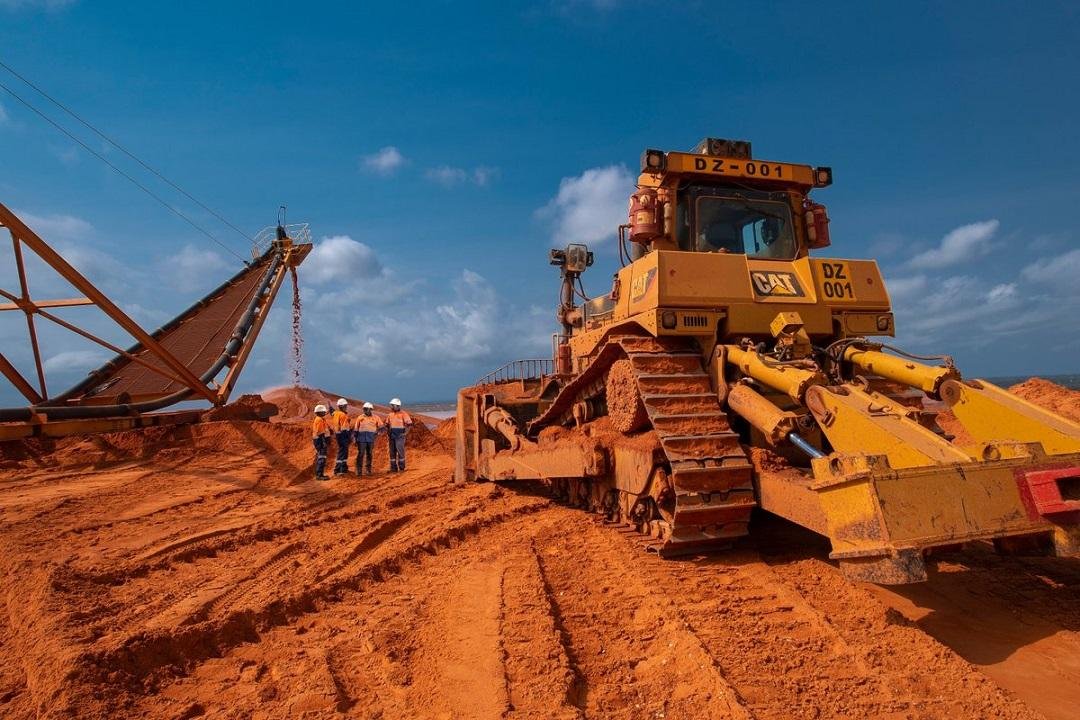
In Kenya, mining yields high-grade quantities of gold, copper, ilmenite and tantalum. Kenya is an important source of non-metallic minerals including soda ash, limestone, salt, niobium, fluorspar and fossil fuels. Titanium ores have for the last decade remained top mineral forex earner for Kenya. A plan to give Kenya’s mining sector a makeover is underway,…
-
Stung by adverse effects, Tanzania pushes climate funding at COP31
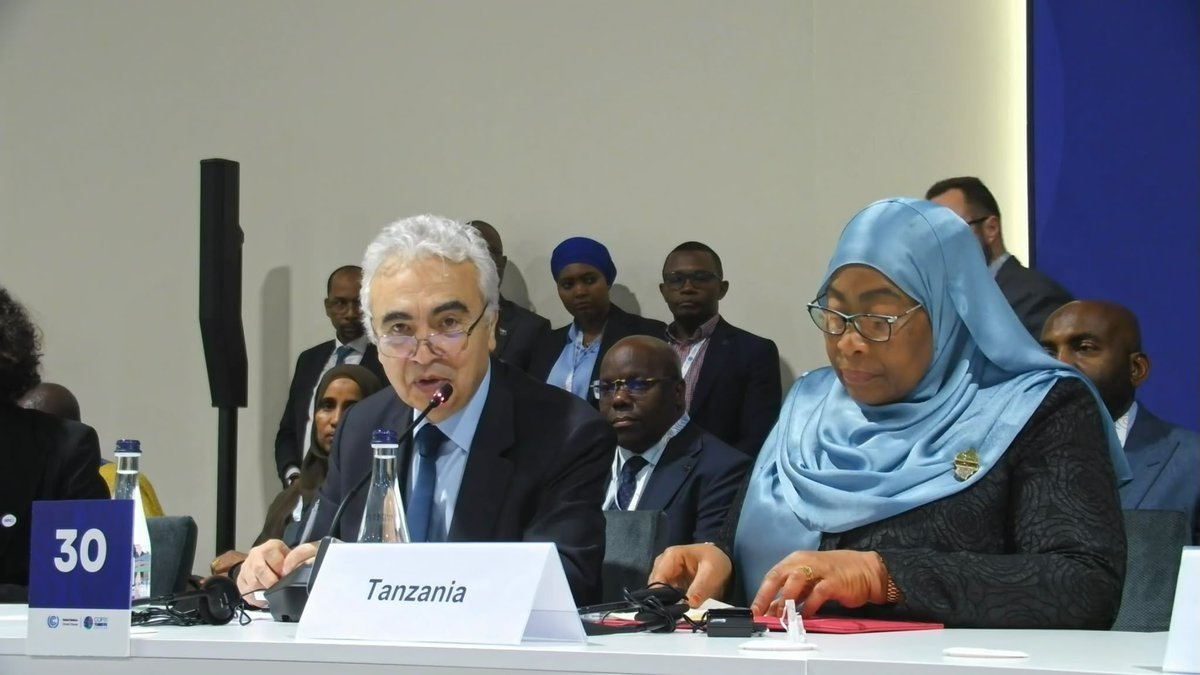
Climate change costs Tanzania 3% of its GDP annually. President Samia calls for more clean energy subsidies. Tanzania phasing out charcoal from public institutions. Climate change shocks cost Tanzania up to 3% of its GDP annually, President Samia Suluhu Hassan told the 31st United Nations Climate Change Conference (COP31) in Antalya, Türkiye. During this year’s World…
-

Namibia debt struggles despite promising economic prospects
Namibia’s debt-to-GDP ratio has continued rising above the central government debt ceiling of 35 per cent of gross domestic product as of March 2021. Namibia has consistently put out measures to restructure the economy, enhance economic development, generate employment, and alleviate poverty and inequality. Improving the business environment, promoting access to capital, improving governance, and…
-
Education at the forefront of development in Africa
An educational approach especially one that combines study in key areas like Science, Technology, Engineering and Mathematics (STEM) is critical to achieving lasting change in the continent. An educational–based development model is a revolutionary tool in the economic sector as it fosters innovation, problem solving and creativity in real-life situations. The approach has been adopted in most countries globally,…
-

Transnet crisis, opportunities for financiers
Transnet Freight Rail, the South African rail logistics giant has few admirers lately. It has disappointed nearly all who rely on it to haul goods from where they are produced to where they are needed. Infrastructure is critical for the flow of goods and services in an economy. Countries that have efficient infrastructure tend to…
-

Who will own the infrastructure powering Africa’s Artificial Intelligence revolution?
Artificial intelligence is usually described as a software revolution. It is also, and for Africa more consequentially, an infrastructure revolution. The share of AI’s value that accrues to this continent will depend far less on how enthusiastically we adopt the technology, we will adopt it, than on how much of the infrastructure beneath it we…
-

Africa should set its own terms for green energy
African countries have been at a crossroads of whether to continue adopting the green energy transition in full throttle, or tap into the myriad economic opportunities, presented by the Russian-Ukraine war. African gas has gained prominence in the global energy market pertinently from Europe, as it seeks to wean itself off Russian gas, through its…
-
Nigerian banks say loans are easier to get, but businesses are barely asking for more money to grow
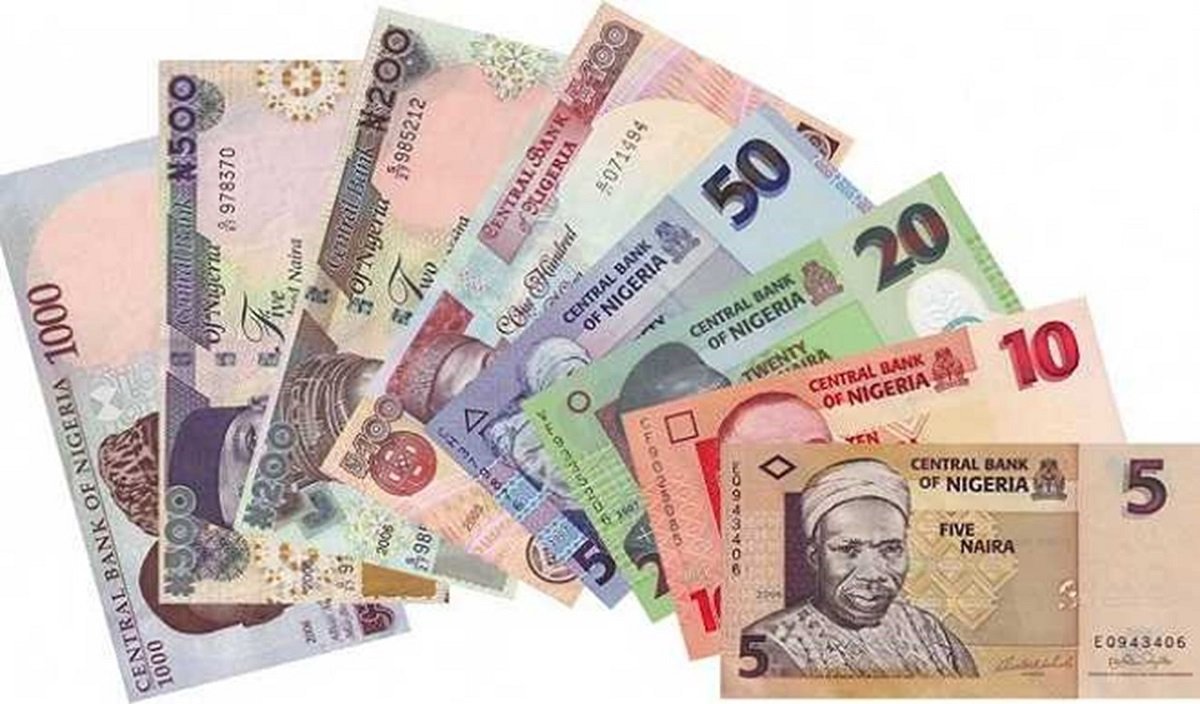
EBC Financial Group highlights that businesses may be waiting for cheaper loans while banks can earn about 16% on government bills, days before the central bank’srate meeting. EBC Financial Group (EBC) highlights that even with banks making business loans easier to get, lenders scored plans to expand at just 0.7 as a reason for higher…
-
Bittersweet: Sugar shortages in Tanzania lead to a spike in prices
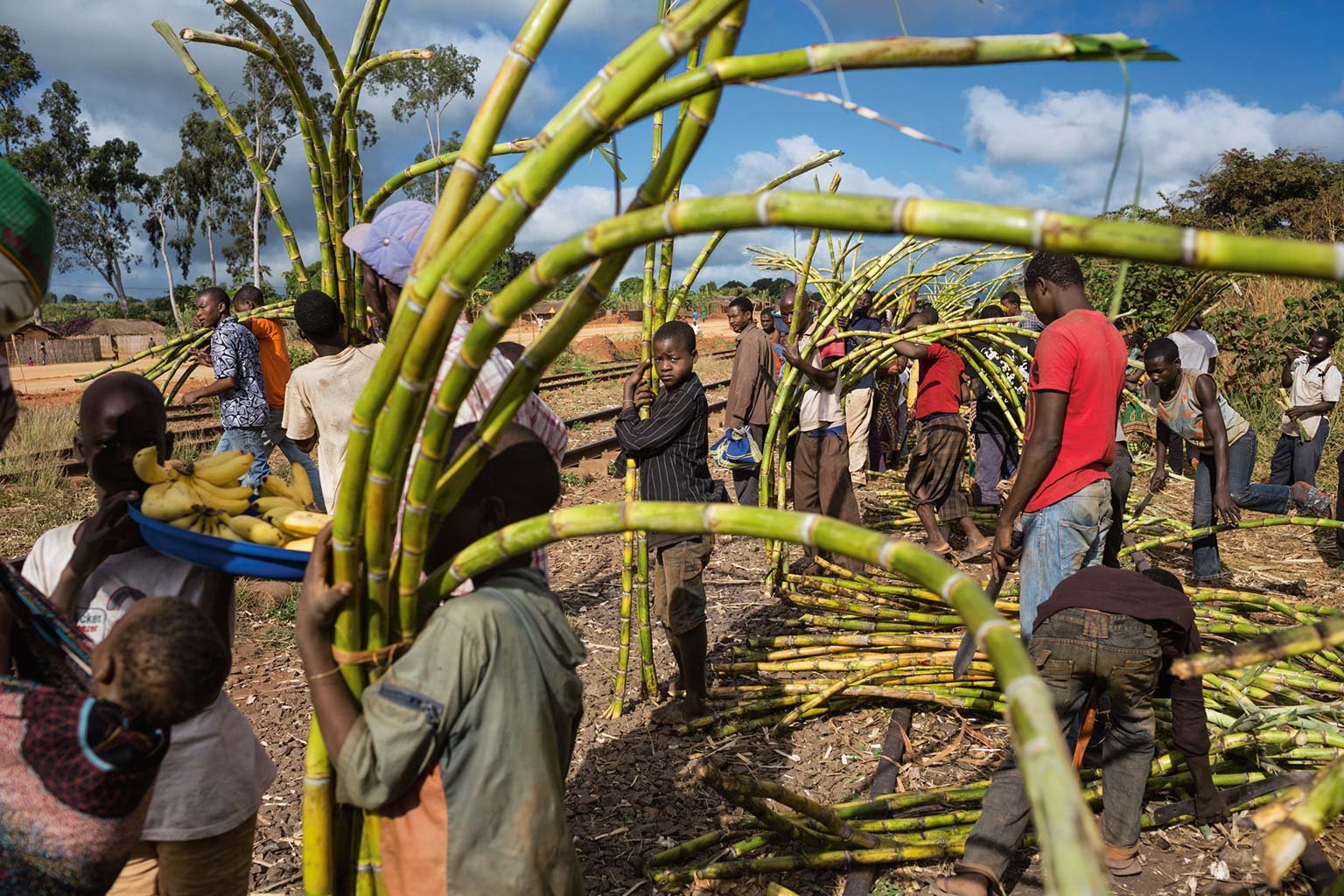
Tanzania sugar shortage is sparking unrelenting hike in prices. The government of Tanzania has approved the import of over 100,000 tonnes of sugar. President Samia has pledged to increase sugar production by 2025. A biting sugar shortage in Tanzania is causing the price of the commodity to skyrocket over the last few months. On the…
-
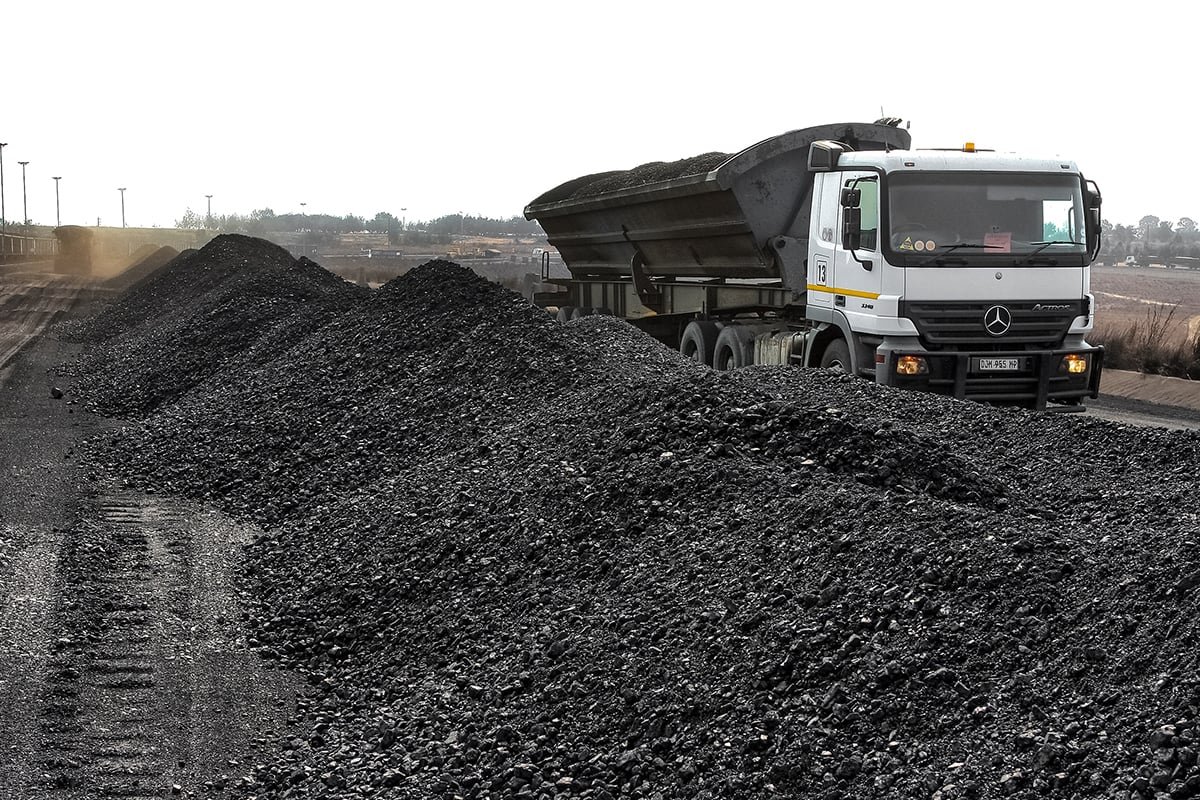
U.S.-backed consortium wins tender to extract critical minerals in Kenya’s Mrima Hill
Beijing’s dominance in African mineral processing means the strategic weight of Kenya’s critical minerals’ Mrima Hill deal far exceeds its commercial value. A U.S.-backed group has won the right to develop Kenya’s most strategically significant rare earths and niobium deposit, the Mrima Hill project in Kwale County, which is valued at roughly $64 billion. The…
Got any recommendations?