

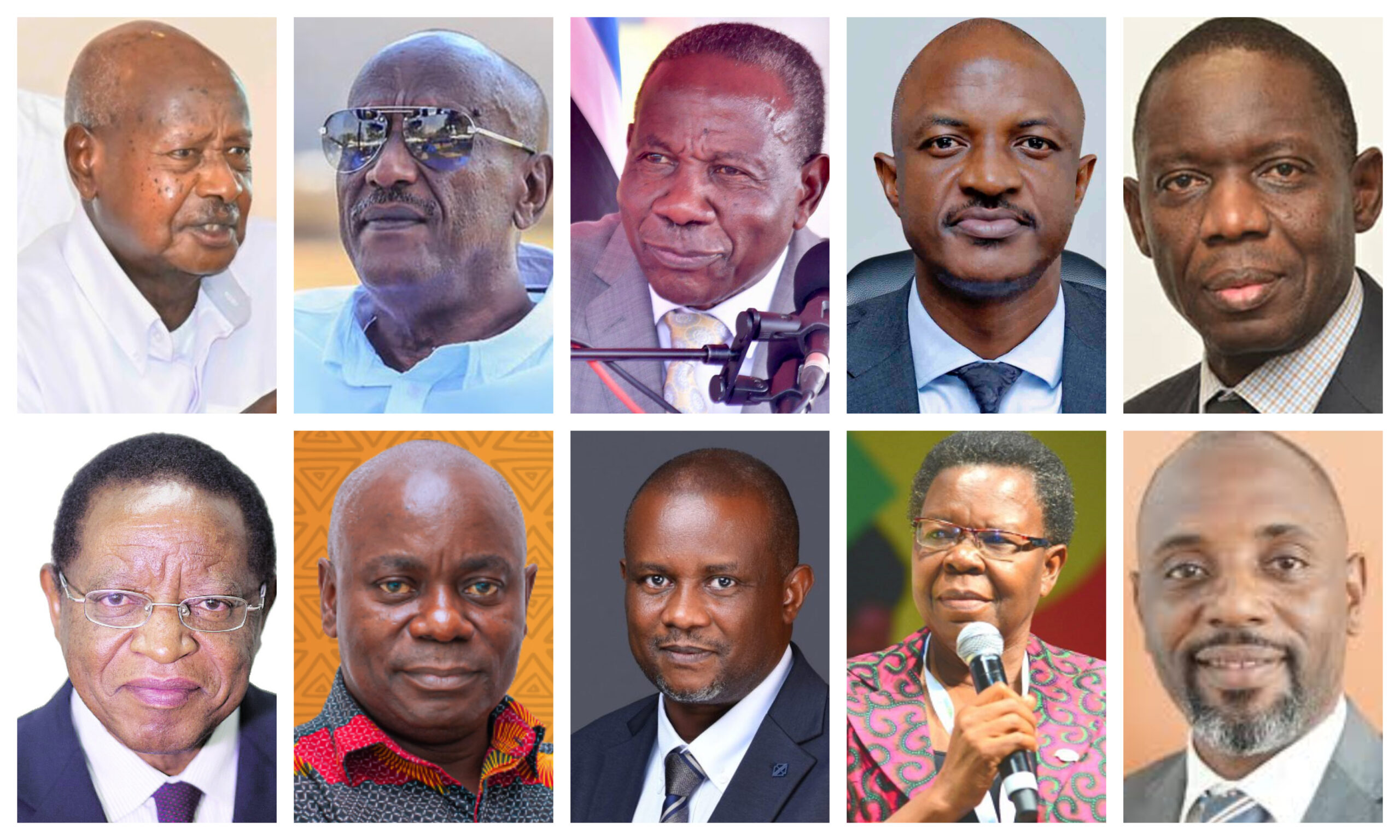


Uganda’s economic model, widely known as “Musevenomics,” is facing a pivotal test, as stakeholders at the Musevenomics Conference 2025 called for bold reforms to address persistent gaps that threaten to derail the country’s development trajectory.
Held under the theme “Sustaining Musevenomics: Navigating Uganda’s Economic Future in a Disrupted World,” the two-day conference (May 29–30) brought together government officials, private sector leaders, development experts, and academics at Mestil Hotel, Kampala.
The gathering delivered a clear message: while Musevenomics has achieved significant milestones over the past four decades, Uganda’s economy is grappling with entrenched structural challenges that require urgent action.
Exposing the Gaps: Land, Capital, Skills, and Markets
Participants highlighted a range of critical issues undermining Uganda’s economic ambitions. Land remains a stubborn bottleneck, with only 30% of land titled, hampering access to credit and investment. The country’s financial markets are shallow, with high interest rates of 17–20% excluding agriculture and SMEs from affordable financing. A persistent skills mismatch in the labor force—oversupply of graduates in administration and law, and a shortage in technical, agricultural, and vocational skills—has left industries struggling to find the right talent.
Uganda’s industrialization agenda faces further headwinds: factories operate below capacity, while high costs in transport, electricity, ICT, finance, regulation, and land (dubbed the “Six Highs”) continue to stifle competitiveness. Regulatory unpredictability, delayed government payments, a bloated civil service, and a mounting national debt have compounded the challenges.
Uganda’s failure to build strong local industrial champions—akin to South Korea’s Samsung or Hyundai—was singled out as a critical gap. Liberalization policies in the 1990s, while opening the economy, inadvertently allowed multinational capital to dominate key sectors, marginalizing local enterprises.
The Reform Agenda: A 12-Point Call to Action
In response, the conference tabled a bold 12-point reform agenda aimed at transforming Uganda’s economic landscape:
Related
 MTN Uganda Completes Mobile Money Separation to Attract Fintech Investors
- Strengthen National Value Chains: Build integrated commodity value chains (cotton, coffee, oilseeds, cassava, dairy, livestock) from raw material production to processing and market access, supported by public-private partnerships.
- Drive Market-Led Industrialization: Align industrial efforts with domestic, regional (EAC), and AfCFTA markets, reduce import reliance, and establish a National Marketing Company to streamline structured trade.
- Lower the “Six Highs” of Doing Business: Cut costs across finance, electricity, transport, ICT, regulation, and land/labor through targeted reforms and investments.
- Deepen Financial Markets: Diversify bond and capital markets, introduce commodity exchanges, and reform the pension sector to unlock long-term, patient capital.
- Empower Local Enterprises: Foster Uganda’s own industrial champions through procurement policies, tax incentives, financing, and infrastructure support—nurturing “Uganda’s Hyundai and Toyota.”
- Strengthen Infrastructure for Growth: Prioritize public investment in high-return sectors such as transport, energy, and digital infrastructure, including multimodal transport systems like Lake Victoria shipping.
- Promote Technology and Innovation: Support R&D, adopt technology-intensive manufacturing, and tailor skills development to industrial sectors.
- De-risk and Unlock Factors of Production: Scale up land titling under SLAC, resolve ownership issues (Namunkekera model), recapitalize government-linked banks (PostBank, Housing Finance, Pride Microfinance), and align education to STEM, technical, and agricultural training.
- Invest in Institutional Capability: Strengthen real-time monitoring, inter-agency coordination, and evidence-based planning to improve policy execution.
- Capitalize Development Finance Institutions: Boost funding for UDC, UDB, the Agricultural Credit Facility, and the Small Recovery Fund (SRF) to provide patient capital for strategic industries.
- Unlock Long-Term Financial Markets: Broaden Uganda’s financial instruments beyond traditional bonds to include forwards, futures, and impact investments.
- Foster Inclusive Economic Models: Promote a mixed-economy model where state and private sector co-invest in enterprise development—an idea rooted in Museveni’s 1996 Ten-Point Programme.
Reaffirming the Musevenomics Vision
Dr. Patrick B. Birungi, Executive Director of the Uganda Development Corporation (UDC) and presenter of the conference report, stressed that while Musevenomics has delivered undeniable gains—macroeconomic stability, improved infrastructure, and sector reforms—the model must evolve.
“Musevenomics is not static; it is a dynamic, adaptive framework. We must harness it to unlock new frontiers for Uganda’s development,” he said.
The report called for deliberate state intervention to nurture local enterprises, strategic public investments in critical sectors, and stronger policy execution. “The vision of a modern, integrated, and self-sustaining economy with wealth creation for the ordinary Ugandan must remain our guiding light,” the report emphasized.
The Road Ahead
As Uganda navigates a disrupted global economy, the conference underscored the urgency of action. Building an economy that thrives on innovation, competitiveness, and inclusivity will require breaking down systemic barriers, empowering local champions, and aligning national priorities to global trends.
The challenge is clear: Uganda must shift from rhetoric to results, ensuring the principles of Musevenomics translate into shared prosperity for all Ugandans.

MTN Uganda Completes Mobile Money Separation to Attract Fintech Investors

PostBank Wins Top BoU Award as Small Business Recovery Fund Grows to UGX 30 Billion in Disbursements

Standard Chartered Uganda Hosts Investment Dialogue to Boost Regional Trade

Top Banks Eye Acquisition of Standard Chartered’s Retail and Wealth Business
Share this content: