



- Finance Bill 2024 Proposals seek to introduce a 25 per cent excise duty on vegetable oils, which KAM says will drive upwards the cost of cooking oil.
- The proposed finance law aims to expand Kenya’s tax base by bringing more economic activities into the tax net.
- This, according to KAM, will lower the cost of living for Kenyans and create prosperity for the country.
The Kenya Association of Manufacturers (KAM) has raised concerns over the state’s proposal to increase the Import Declaration Fund (IDF) from 2.5 per cent to 3 per cent.
In a raft of proposals to the government, the manufacturers highlighted some of the expected impacts of the proposed law on Businesses in the East African nation.
KAM argues that the imposition of IDF will significantly elevate the costs of raw materials, thereby stifling the manufacturing sector’s ability to add value.
In a statement on Monday, May 20, 2024, the manufacturers said whereas there are some progressive proposals in the proposed law aimed at promoting manufacturing growth, several others shall hinder this objective, and ultimately impact Kenyans.
“The proposal to increase the Import Declaration Fund from 2.5 percent to 3.0 percent will negatively impact the cost of raw materials and intermediate products used for manufacturing value addition,” said KAM CEO Anthony Mwangi.
Export Investment Promotion Levy (EIPL)
They say the proposal to impose the Export Investment Promotion Levy (EIPL), under the Miscellaneous Fees and Levies Act, on raw materials used for manufacturing value addition shall be detrimental to the competitiveness of local industries in both local and export markets through the increased cost of production.
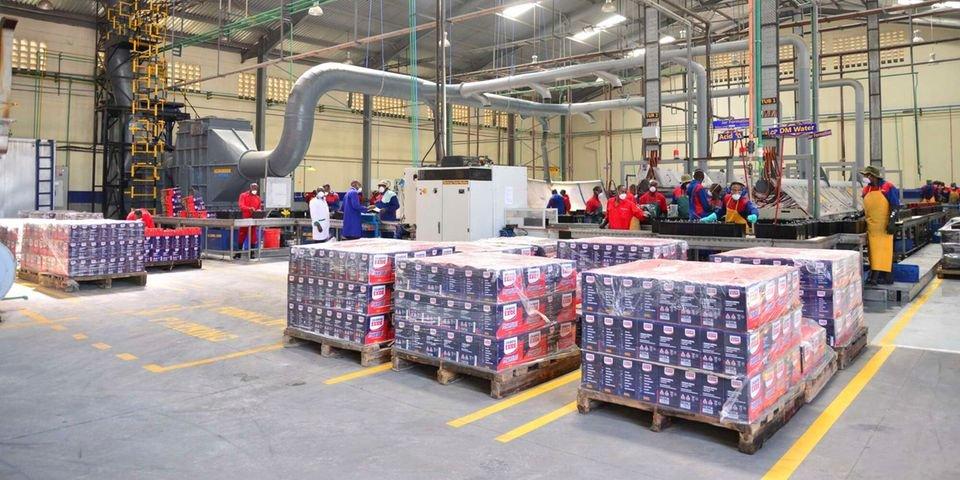
[Photo/Nation Africa ]
“It suffices to say that in 2023, this said levy was imposed on industrial raw materials such as kraft paper, steel billets, and cement clinkers, ostensibly to support local manufacturing. Whilst KAM is in full support of local manufacturing, imposing EIPL on raw materials without data verification does more harm than good,” the statement reads in part.
Eco Levy
KAM also argues that the proposed introduction of eco-levy on selected goods manufactured in Kenya or imported into Kenya provided under Schedule Four of the Miscellaneous Fees and Levies Act will automatically lead to a price increase on all plastic packaging materials, batteries, and hygiene products.
“For instance, the impact of this proposal will increase the packaging costs by 100% in cases where the cost of the raw material is equal to the proposed levy. For example, bar soap used by Mwananchi for washing clothing, utensils and bathing will increase from Ksh170 to approximately Ksh270,” KAM said.
Manufacturers on competitiveness
Further, the manufacturers say the proposal will lower local industries’ competitiveness in domestic and export markets due to a rise in the cost of imported inputs, raw materials, and machinery and hence favourable to imported finished goods.
Read Also: Kenya urged to address challenges manufacturers face amid implementation of AfCTFA
“Under the Excise Duty Act, the government has proposed to remove the provision allowing manufacturers to offset the costs of their raw materials subject to excise. The offset mechanism is meant to encourage local value addition.
“In addition, the proposal to introduce a 10% excise duty on plastic products will increase the cost of products like basins and mugs used by For instance, the cost of a basin will increase from Kes.110 up to approximately Sh200 due to this proposal combined with other levies such as eco levy,” the statement reads.
Finance Bill 2024 Proposals
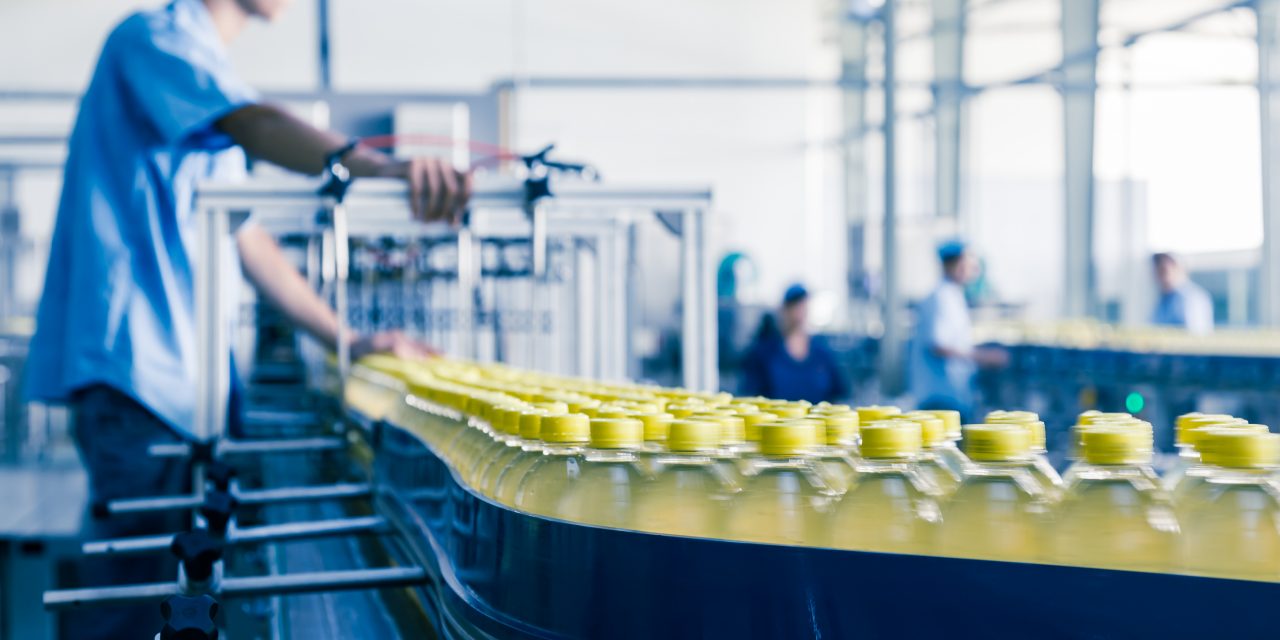
The 2024 finance bill also proposes the introduction of a 25 per cent excise duty on vegetable oils, which KAM says will drive upwards the cost of cooking oil.
The proposed finance law aims to expand Kenya’s tax base by bringing more economic activities into the tax net.
KAM, however, suggests that the country should focus more on supporting the manufacturing industry to reduce the cost of locally produced products and services, to drive job and wealth creation, and boost productivity.
This, according to KAM, will lower the cost of living for Mwananchi and create prosperity for Kenya.
STAY INFORMED
Unlock Business Wisdom – Join The Exchange Africa’s Newsletter for Expert African Business Insights!
- Finance Bill 2024 Proposals seek to introduce a 25 per cent excise duty on vegetable oils, which KAM says will drive upwards the cost of cooking oil.
- The proposed finance law aims to expand Kenya’s tax base by bringing more economic activities into the tax net.
- This, according to KAM, will lower the cost of living for Kenyans and create prosperity for the country.
The Kenya Association of Manufacturers (KAM) has raised concerns over the state’s proposal to increase the Import Declaration Fund (IDF) from 2.5 per cent to 3 per cent.
In a raft of proposals to the government, the manufacturers highlighted some of the expected impacts of the proposed law on Businesses in the East African nation.
KAM argues that the imposition of IDF will significantly elevate the costs of raw materials, thereby stifling the manufacturing sector’s ability to add value.
In a statement on Monday, May 20, 2024, the manufacturers said whereas there are some progressive proposals in the proposed law aimed at promoting manufacturing growth, several others shall hinder this objective, and ultimately impact Kenyans.
“The proposal to increase the Import Declaration Fund from 2.5 percent to 3.0 percent will negatively impact the cost of raw materials and intermediate products used for manufacturing value addition,” said KAM CEO Anthony Mwangi.
Export Investment Promotion Levy (EIPL)
They say the proposal to impose the Export Investment Promotion Levy (EIPL), under the Miscellaneous Fees and Levies Act, on raw materials used for manufacturing value addition shall be detrimental to the competitiveness of local industries in both local and export markets through the increased cost of production.
[Photo/Nation Africa ]
“It suffices to say that in 2023, this said levy was imposed on industrial raw materials such as kraft paper, steel billets, and cement clinkers, ostensibly to support local manufacturing. Whilst KAM is in full support of local manufacturing, imposing EIPL on raw materials without data verification does more harm than good,” the statement reads in part.
Eco Levy
KAM also argues that the proposed introduction of eco-levy on selected goods manufactured in Kenya or imported into Kenya provided under Schedule Four of the Miscellaneous Fees and Levies Act will automatically lead to a price increase on all plastic packaging materials, batteries, and hygiene products.
“For instance, the impact of this proposal will increase the packaging costs by 100% in cases where the cost of the raw material is equal to the proposed levy. For example, bar soap used by Mwananchi for washing clothing, utensils and bathing will increase from Ksh170 to approximately Ksh270,” KAM said.
Manufacturers on competitiveness
Further, the manufacturers say the proposal will lower local industries’ competitiveness in domestic and export markets due to a rise in the cost of imported inputs, raw materials, and machinery and hence favourable to imported finished goods.
Read Also: Kenya urged to address challenges manufacturers face amid implementation of AfCTFA
“Under the Excise Duty Act, the government has proposed to remove the provision allowing manufacturers to offset the costs of their raw materials subject to excise. The offset mechanism is meant to encourage local value addition.
“In addition, the proposal to introduce a 10% excise duty on plastic products will increase the cost of products like basins and mugs used by For instance, the cost of a basin will increase from Kes.110 up to approximately Sh200 due to this proposal combined with other levies such as eco levy,” the statement reads.
Finance Bill 2024 Proposals
The 2024 finance bill also proposes the introduction of a 25 per cent excise duty on vegetable oils, which KAM says will drive upwards the cost of cooking oil.
The proposed finance law aims to expand Kenya’s tax base by bringing more economic activities into the tax net.
KAM, however, suggests that the country should focus more on supporting the manufacturing industry to reduce the cost of locally produced products and services, to drive job and wealth creation, and boost productivity.
This, according to KAM, will lower the cost of living for Mwananchi and create prosperity for Kenya.
STAY INFORMED
Unlock Business Wisdom – Join The Exchange Africa’s Newsletter for Expert African Business Insights!
Share this content: