

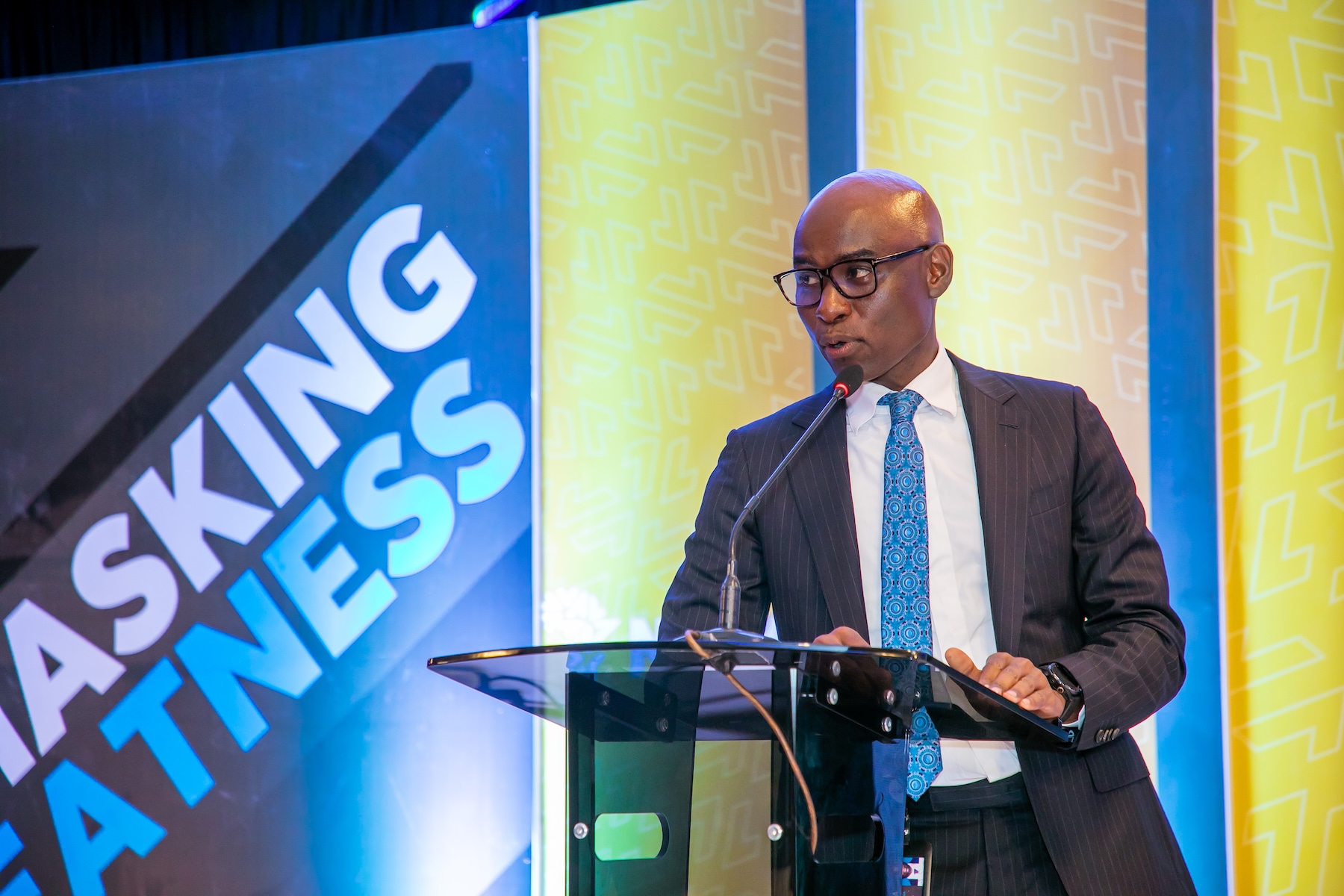

Claver Serumaga Continues Turnaround of NCBA Tanzania; Net Profit Grows 26% to TZS 25.5 bnIn just two years, Claver Serumaga has steered NCBA Bank Tanzania from a loss-making institution to one, posting a record net profit of TZS 25.5 billion in 2024. This performance caps a multi-year turnaround driven by tighter risk controls, digital innovation, cost discipline, and a renewed customer-first culture.
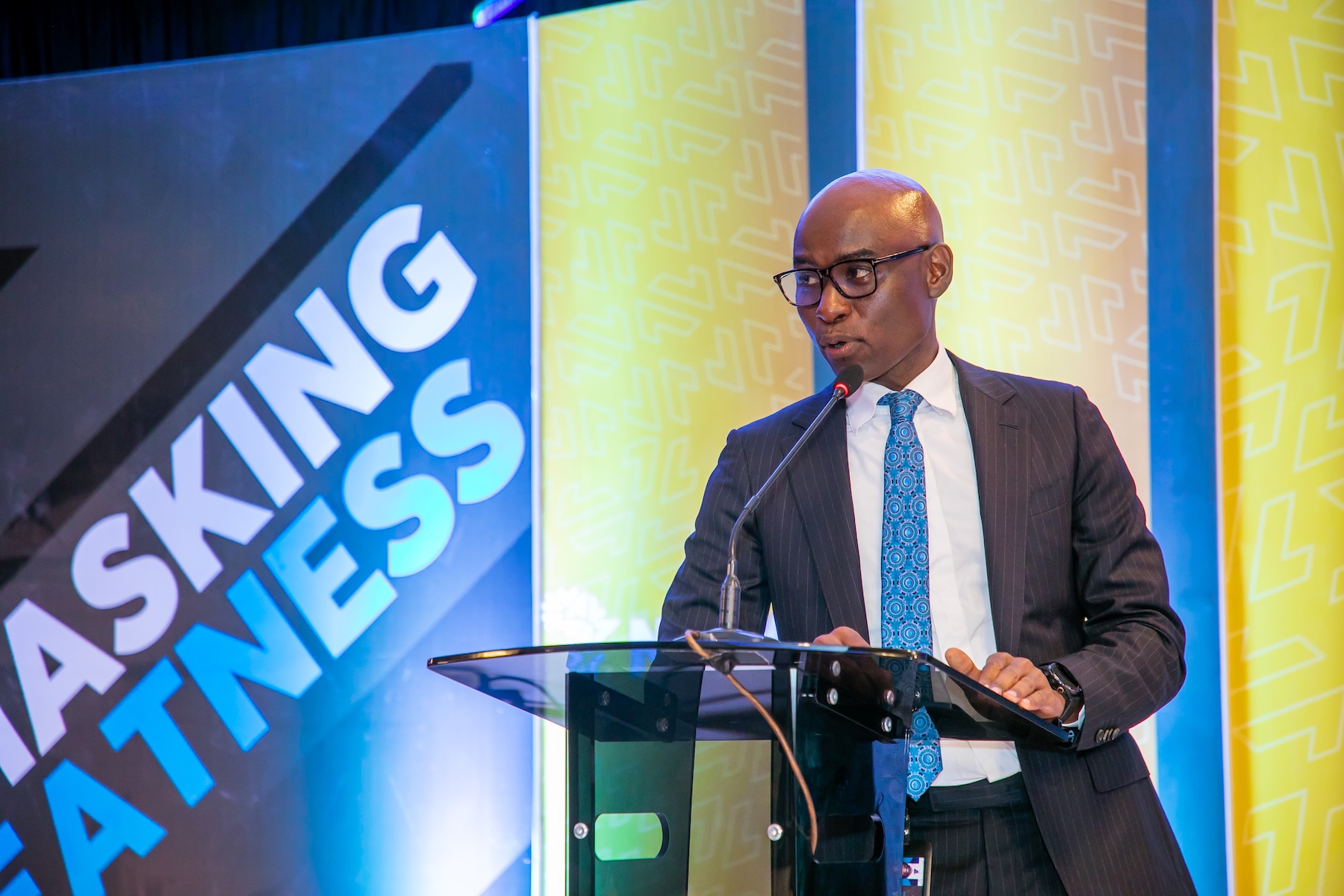
In 2024, NCBA Bank Tanzania posted its highest-ever net profit, closing the year with TZS 25.5 billion in after-tax earnings, a 26% increase from the previous year. The bank’s profit before tax rose to TZS 16.1 billion. At the same time, total comprehensive income reached TZS 25.5 billion, supported by interest and non-interest income gains, improved asset quality, and enhanced operational efficiency.
This performance, independently audited by Deloitte & Touche, capped a year defined by strong growth momentum, underpinned by the bank’s digital banking platforms—NCBA Now and M-Pawa—and a strategic emphasis on disciplined execution. Notably, impairment losses on loans fell from TZS 14.8 billion in 2023 to TZS 10 billion in 2024, highlighting tighter credit risk management. Meanwhile, total interest income grew by 16% to TZS 63.9 billion, and the return on average assets improved from 4.3% to 5.1%, indicating more efficient use of capital.
This result did not emerge in isolation—it is the latest milestone in a carefully executed turnaround strategy driven by Claver Serumaga, who joined the bank as Managing Director in December 2022. The 2024 financial results mark the second consecutive year of profit recovery, affirming NCBA Bank Tanzania’s return to stability and sustainable growth after years of post-merger volatility.
Three-Year Journey of Transformation (2022–2024): Unpacking the Key Levers Behind NCBA Bank Tanzania’s Résurgence
When Claver Serumaga took over at the end of 2022, the bank was struggling. NCBA Bank Tanzania was emerging from a period of post-merger instability, weighed down by a high non-performing loan ratio, sustained losses, and operational inefficiencies. But in just two years, Claver engineered one of the most remarkable turnarounds in Tanzania’s banking sector. He did this by activating a strategic mix of transformation levers: aggressively cleaning up the loan book, expanding net interest margins, enforcing cost discipline, investing in digital innovation, internally rebuilding capital, reorienting the institution’s culture, and restoring stakeholder trust through strong governance.
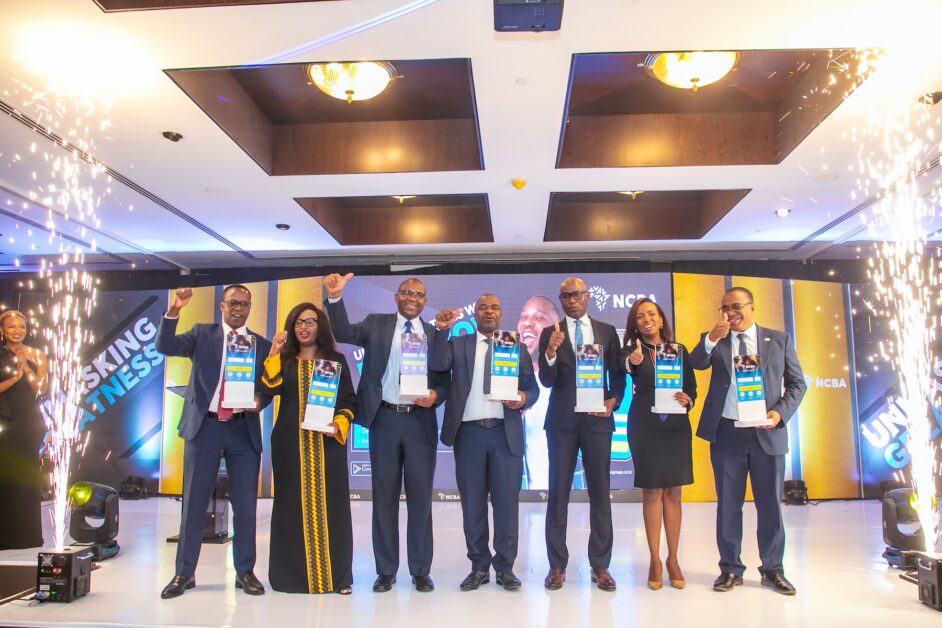
The results speak for themselves—rising profitability, a stronger balance sheet, and a future-facing institution ready for scale.
Below, we unpack the seven key levers that powered NCBA Bank Tanzania’s transformation from 2022 to 2024.
Credit Risk Management and Balance Sheet Detoxification
One of the most impactful areas of change was the improvement in the quality of the loan book. In 2022, NCBA Bank Tanzania’s non-performing loan (NPL) ratio was 18.1%, which pointed to challenges in credit underwriting and recovery processes. Over the following two years, the bank implemented measures to strengthen credit risk management. These included tightening credit standards, enhancing loan recovery efforts, and restructuring a portion of legacy exposures. As a result, the NPL ratio declined to 12.3% in 2023 and further to 5.5% in 2024.
This improvement in asset quality was accompanied by a notable reduction in impairment charges, which fell from TZS 37.8 billion in 2022 to TZS 14.8 billion in 2023 and then to TZS 10 billion in 2024. The steady decline in provisioning requirements helped improve the bank’s profitability and contributed to the strengthening of its capital base.
| Metric (TZS Billion) | 2022 | 2023 | 2024 | 2023 vs 2022 | 2024 vs 2023 |
| Net Interest Income | 29.3 | 38.3 | 40.5 | 30.72% | 5.74% |
| Impairment Losses | -37.8 | -14.8 | -10.03 | -60.85% | -32.23% |
| Non-Interest Income | 9.7 | 12.3 | 12.6 | 26.8% | 2.44% |
| Operating Expenses | -37.4 | -34.9 | -36.5 | -6.68% | 4.58% |
| Operating Profit Before Tax | -31 | 13 | 16.1 | Turnaround | 23.85% |
| Net Profit/(Loss) After Tax | -35.1 | 20.2 | 25.5 | Turnaround | 26.2% |
| Total Comprehensive Income | -32.5 | 18.7 | 25.5 | Turnaround | 36.36% |
| Table 1: Profit & Loss Performance (2022–2024) | |||||
Profitability Restoration through Interest Margin Management
Another important area of progress was the expansion of interest margins. As asset quality improved and the bank implemented more effective risk-based pricing, net interest income rose significantly, from TZS 29.3 billion in 2022 to TZS 38.3 billion in 2023 and TZS 40.5 billion in 2024. Over the same period, the net interest margin, estimated from income relative to earning assets, improved from 7.6% in 2022 to 10.1% in 2024.
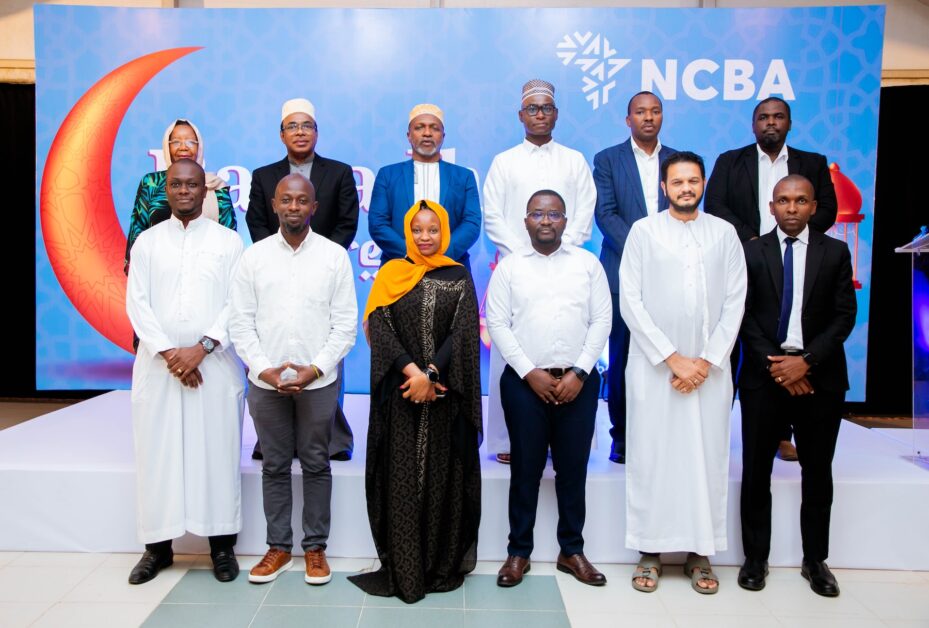
Several factors supported this growth in margins. The bank repriced its lending portfolio to better reflect risk-adjusted returns, strengthened its funding mix through more stable and cost-effective customer deposits, and applied greater lending discipline by selectively growing its loan book in higher-quality segments. These efforts collectively contributed to a more efficient and profitable core banking operation.
Cost Discipline and Operational Efficiency
While transformation required fresh investment—particularly in digital platforms—the bank maintained tight control of operational costs. Total expenses remained steady from TZS 37.4 billion in 2022 to TZS 36.5 billion in 2024, representing a slight decrease of 2.5% over three years. This was achieved despite inflationary pressures and increased customer activity during the period.
Related
 Dr. Louis Kasekende to Headline at Dr. Robin Kibuka’s Book Launch
A key outcome of this disciplined approach was a significant improvement in the cost-to-income ratio, which fell from 96.0% in 2022 to 69.0% in 2023 and remained relatively stable at 70.3% in 2024. The improved efficiency was driven by the ongoing digitisation of internal processes, the consolidation of underperforming branches, and the promotion of a performance-oriented culture across the organisation.
Digital Innovation and Customer-Centric Platforms
Recognising the need to reach a tech-savvy and mobile-first population, NCBA under Claver launched NCBA Now, an end-to-end digital banking platform offering real-time services such as loans, transfers, payments, and investment access. This was complemented by the growth of M-Pawa, a mobile microfinance platform aimed at small-scale traders, students, and underserved communities.

Together, these digital platforms played a significant role in advancing the bank’s strategic objectives. They helped attract and retain a younger, tech-savvy customer segment, driving increased adoption of digital banking services. In addition, the platforms supported the expansion of low-cost deposit mobilisation by offering convenient, accessible financial services to a broader population. These initiatives also contributed to the bank’s non-interest income, which remained stable at approximately TZS 12.5 billion in both 2023 and 2024.
| Metric | 2022 | 2023 | 2024 | 2023 vs 2022 | 2024 vs 2023 |
| Total Assets (TZS Bn) | 429.98 | 515.5 | 512.8 | 19.89% | -0.52% |
| Customer Deposits (TZS Bn) | 320 | 383 | 363 | 19.69% | -5.22% |
| Net Loans & Advances (TZS Bn) | 226.3 | 275.4 | 255.1 | 21.70% | -7.37% |
| Shareholders’ Funds (TZS Bn) | 46.6 | 65.3 | 90.9 | 40.13% | 39.20% |
| Non-Performing Loans (NPL Ratio) | 18.10% | 12.30% | 5.50% | ↓ 5.8 pp | ↓ 6.8 pp |
| Cost-to-Income Ratio | 96.0% | 69.0% | 70.3% | Improved | Stable |
| Return on Shareholder Funds | -77.3% | 36.0% | 33.5% | Major swing | Marginal dip |
| Table 2: Balance Sheet & Asset Quality Trends | |||||
Capital Preservation and Internal Profit Retention
Rather than dilute shareholder value with new capital raises, Claver’s strategy focused on internal capital generation. From a low base of TZS 46.6 billion in 2022, shareholders’ equity rose to TZS 65.3 billion in 2023 and to TZS 90.9 billion in 2024—a 95% increase in just two years.
The retained earnings from restored profitability bolstered the bank’s capital buffers, improved regulatory ratios, and signalled strength to investors and regulators alike.
Cultural and Leadership Reorientation
Beyond the financial indicators, Claver Serumaga led a cultural transformation within the bank. He restructured teams, empowered frontline managers, streamlined decision-making processes, and redefined accountability structures. Staff were aligned around a renewed purpose: “to inspire greatness through financial solutions that make a difference.”
Branches were repositioned as experience centres, digital adoption became part of every department’s KPIS, and employees were retooled with new risk, technology, and customer engagement skills.
Stakeholder Trust and Governance
Claver also ensured that transformation was anchored in transparency and governance discipline. The bank received clean audit opinions in 2023 and 2024, a testament to restored internal controls, regulatory compliance, and prudential management.
The improvement in return on assets (from -8.3% to 5.1%) and return on equity (from -77.3% to 33.5%) signalled improved performance and rebuilt confidence among regulators, shareholders, and customers.
NCBA Bank Tanzania’s performance between 2022 and 2024 reflects a well-executed turnaround grounded in stronger credit discipline, operational efficiency, and sustained investment in digital banking. The shift from a net loss in 2022 to a record net profit of TZS 25.5 billion in 2024, alongside improvements in asset quality and returns, points to a bank that has regained stability and is now building momentum. With a strengthened balance sheet, growing customer adoption of digital platforms like NCBA Now and M-Pawa, and a commitment to prudent growth, the bank is well-positioned to sustain its trajectory on the back of deepening financial inclusion, expanding SME lending, and enhancing its customer experience—laying the foundation for continued growth and long-term value creation.


MTN Uganda’s Sylvia Mulinge delivers a landmark UGX641.5 bn in 2024 net profit, underpinned by all-around stakeholder value
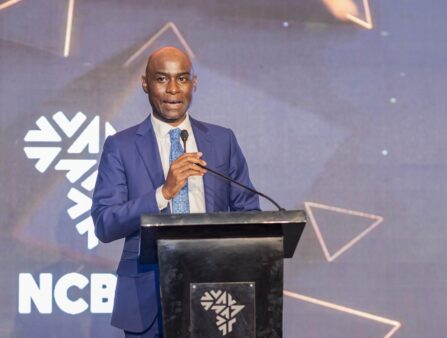
Q3 2023 Performance: Claver Serumaga, leads turnaround of NCBA Tanzania

The rise of the Ugandan CEO – why more Ugandans are being trusted to run blue chip companies at home and abroad
Share this content: