Tribalism, nepotism, and patriotism: Denial is a tong river in Uganda
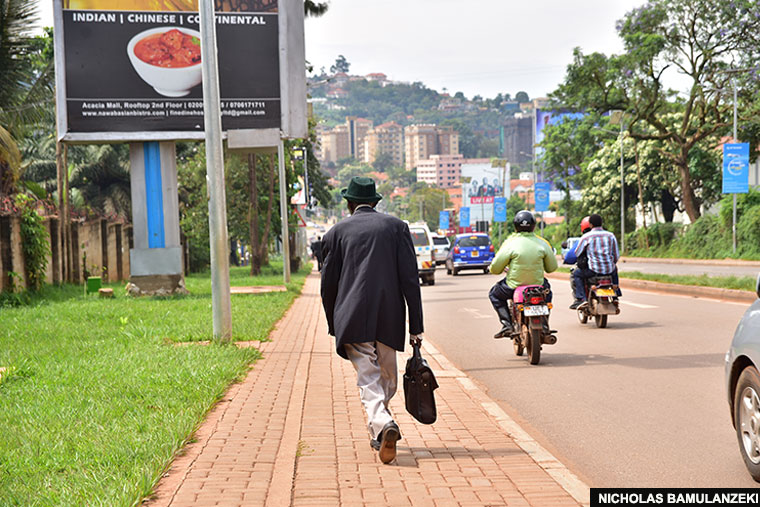
Many Ugandans contend that the ease with which we respond to depressing circumstances with raucous laughter is a coping mechanism.
The ruling National Resistance Movement (NRM) regime, in power since 1986, is not too keen on public displays of expression that do not align with the regime’s alternative version of the truth. Complain all you want in your bars and potholes, but please do not publicly protest.
The NRM regime has increasingly suffocated avenues for expression, rendering public protests a deadly venture. Those who have publicly expressed unsavoury opinions about the regime and its top honchos have found themselves in the torturous custody of the state or slightly dead.
Patronage, the sprinkling of favours here and there, has served the regime well, producing snowflake leaders who are not accountable to the citizenry. To these flammable snowflakes, criticism from citizens is a personal affront. Buttressing the snowflake leadership are regime apologists and sycophants who sugarcoat the ailments of Uganda in gobbledygook masked as patriotism.
Thus, the internet has morphed into a space where people can express their frustrations over government failures through exhibitions led by satirist Jim Spire Ssentongo. From corruption at the Entebbe International airport to the collapsing public health facilities, social media has become the ‘Freedom Square’ where mere mortal citizens and their galling opinions can parade free of the tangible reach of state- sponsored tear gas and live bullets.
Last week, Spire and his team turned their online cutlass to the nature of tribalism in Uganda. Tribalism is that elephant in the room that is Uganda – one of several elephantine questions plaguing post-colonial Uganda.
While we applaud the NRM regime for securing our sleep – the elephants in the room have multiplied and they do not sleep well. Beyond present-day populist politics, addressing historical and ongoing grievances ought to dominate the in-tray of the nation’s leaders.
You cannot sit at the table of fat cats guzzling the best of the land, and with your mouth full of choice meats, scold the scrawny cats gathered at the bottom of the table for meowing noisily. Besides, that table is living dangerously.
Opposition leader Robert Kyagulanyi/Bobi Wine’s explosive speech at a September 9 public rally in Luweero, the mecca of the NRM regime, has renewed the debate about tribalism in Uganda. Political historians opine that the nature of our politics inherited from the exploitative system of colonialism created a vindictive cycle of ‘it’s our turn to eat.’
When a son or daughter of the soil ‘eats’ big, it is a common notion that the entire ethnic community has also ‘eaten.’ As Spire shared anonymous posts from contributors narrating their run-ins with tribalism, a trend soon emerged on X (formerly known as Twitter). A few Westerners argued vehemently that there is no tribalism under the NRM regime but nepotism.
They argued that not every Munyankore has ‘eaten’ because of the regime; not every Munyankore is related to the presidency. They expressed their frustration that they are also struggling like many Ugandans perceived to be outside the regime eaters. Consequently, Ugandans from Western Uganda, where the majority of the ruling class hails from, find themselves at the uncomfortable wounded heart of this dicey conversation.
To those Ugandans who have been on the unfortunate receiving side of tribalism, the semantics between tribalism and nepotism seemed insulting to their lived experiences and perceptions.
Others, wary of our political history that saw ethnically driven purges follow violent regime changes, warned that the exhibition on tribalism threatened to leave us even more divided. Yet it remains that whatever we choose to christen this discrimination of ‘the other’, this ‘ism’, whether tribalism or nepotism, requires painfully honest conversations with each other. We are the proverbial grasshoppers in the bottle – as acclaimed Ugandan musician, Philly Bongoley Lutaaya sang, “Today, it’s me. Tomorrow, it’s someone else”.
Hot on the heels of the tribalism debate was the football news of three East African countries – Uganda, Kenya and Tanzania’s winning bid to host Afcon 2027. Many Ugandans received the news with jokes and derision about Uganda’s capacity to host this continental event. Through memes, they highlighted their apprehension that the country is far from ready to host Afcon.
The memes poked fun at Kampala’s ravenous potholes and floods, corruption, erratic electricity supply, and police harassment of the opposition, among others. The regime apologists quickly showed up, talking down the memes and the apprehensive citizens as unpatriotic.
What is this brand of patriotism that, like our snowflake leaders, can accept neither the criticism of its citizens nor the veracity of the dysfunctional state of governance?
Your patriotism since 1986, the sun-kissed year that the NRM came to power, should be muscled enough by now to acknowledge both dissenting and conformist opinions of the country. Ba dia, it is unpatriotic to cover up and deny dysfunctional governance. It is unpatriotic to skirt around the existence of tribalism and similar negative ‘isms.’
It is unpatriotic to cover the elephant in the room with a lovely black, yellow and red blanket and hope it works out for the blanket. Another common internet meme, a wordplay reads, ‘De-nile (read ‘denial’) is a river in Egypt.’ We, the other lesser patriots of Uganda, beg to submit: denial is a long river in NRM’s Uganda.
smugmountain@gmail.com
The writer is a tayaad muzzukulu
Source: The Observer
Share this content:


Post Comment