


Hollywood writers have gone back to work.
The Writers Guild of America (WGA) strike is over. And surprisingly, they have a lot to show for their 150-day ordeal. Studios have promised them a 12 percent increase (minimum) in pay over the next three years.
The new deal will also prevent AI from taking their jobs. Additionally, streaming platforms have offered writers a significant bonus if 20 percent or more of a streamer’s domestic subscribers view their content within the first 90 days.
The WGA’s first proposal had an estimated value of $429 million. According to Reuters, the deal they just accepted will cost studios $233 million annually, less than what writers wanted but more than the $86 million Hollywood producers initially offered.
Hollywood will return to business as usual once the AMPTP (Producers Guild) resolves the SAG (Screen Actors Guild) strike. I was listening to an analysis of the WGA contract on YouTube when a comment highlighted an issue that piqued my interest.
The individual in question suggested that TV seasons would shrink in size because of the extra money studios must spend on writers and actors. The comment caught my eye because TV seasons have been shrinking for a while. Many of us came up in an era where TV shows aired 24 episodes per season.
In fact, I watched shows during my pre- teens that ran for 27, 30, and even 32 episodes per season. Today, seasons are six to 12 episodes on average. Why?
I saw a Reddit post that blamed the adoption of serialized storytelling. If you don’t know what that means, serialized storytelling is where one story unravels over the course of a season. For instance, Game of Thrones uses serialized storytelling.
On the other side of the equation, you have episodic storytelling. A prominent example is CSI; 24-episode seasons make sense with CSI because each episode follows a different case. 24-episode seasons would ruin a serialized show by diluting the story.
A short eight-episode season enhances a serialized show’s quality by allowing the writers to streamline the story. You can cut out the unnecessary filler. But studios don’t care about quality. So why would they embrace short seasons?
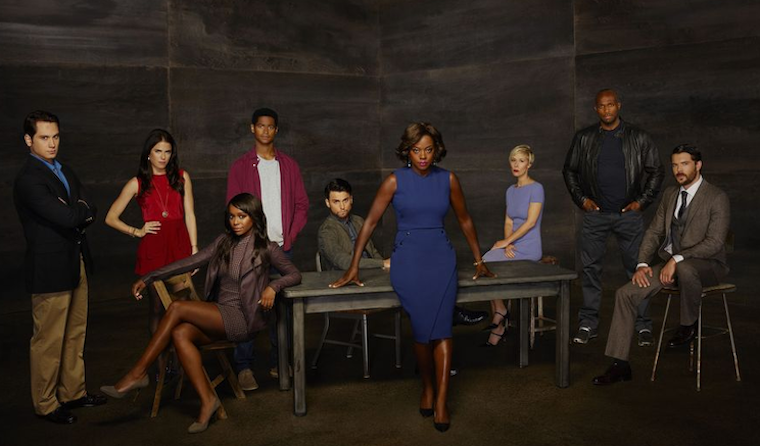
One Business Insider article from 2015 blamed the actors. It gave the example of Viola Davis, who insisted on a 15-episode season for How To Get Away With Murder, which makes sense. The woman is a movie star; locking herself into a 24-episode contract prevents her from pursuing the movie roles she wants. She is not alone. Movie stars are dipping their toes into the TV landscape in larger numbers than ever before.
But the field is restrictive. If you are shooting 24-episode seasons for most of the year, you don’t have the time to do anything else. Movie stars demand more freedom, hence the shorter seasons.
It is also worth noting that TV budgets have skyrocketed. House of the Dragon is basically a 10-hour movie. You can’t maintain those production values over 24 episodes. Personally, I don’t mind this trend. I prefer experimental six-episode projects to safe and bloated 24-episode monstrosities.
mbjjnr8@gmail.com
Source: The Observer
Share this content: