



-
- Among the seven countries in which Watu Credit Operates only Kenya has no regulations for asset financing firms.
- The engagement is part of an ongoing inquiry being conducted by the Finance and National Planning Committee on credit lenders.
- The CEO acknowledged that there is a lacuna in law for the regulation of the business and to address customers’ concerns.
The concept of asset financing
Asset financing is a loan product for the funding of moveable assets. Its flexibility helps debtors free up cash by enabling them to acquire assets with minimum turmoil. Loans offered through asset financing are settled using the value of the assets involved. This type of financing is an effective alternative for a company or individual not qualified to secure traditional financing.
- Purchasing assets directly can be expensive, and risky, and hold a company or individual back from expansion. Asset financing provides a great option to acquire the assets the business needs without excessive expenditures. Asset financing structure has benefits for both the lenders and the borrowers. Asset financing can be in many forms like hire purchase, equipment lease, asset refinance, operating lease, or finance lease depending on the kind of business you are involved in.
Tension between Asset financing firms and the Government in Kenya
It has emerged that Kenya is the only country in the region without a law governing the operations of the Buy-Now-Pay-Later companies exposing locals to exploitative dealings.
A probe by Members of Parliament on the industry players has revealed that the firms acquire loans from banks and financial institutions at a rate of 20 percent and advance the same through asset acquisition at a rate of up to 103 per cent.
The MPs had summoned Asset Financing entities Watu Credit Ltd, MOGO Credit Ltd, and M-Kopa Credit to appear before it about the allegation of exploitative lending practices to the Boda Boda operators in the country.
The engagement is part of an ongoing inquiry being conducted by the Finance and National Planning Committee on credit providers.
Appearing before the Committee, the credit providers were put to task to explain under which regulations they have operating.
Read Also: BAK Opposed to Digital Asset Tax under Finance Bill 2023
Watu Credit Chief Executive Officer, Andris Kaneps and the Country Manager, Eric Massawe revealed that the facility does not have a regulatory framework governing their relationship with their clients.
Members of Parliament [Photo/Parliament]
The Committee also heard that the credit provider facility is currently not regulated under any specific Act or regulations, and neither does it access credit facilities through a digital platform or receive money directly.
“The interaction with our customers is through M-Pesa which is the channel customers pay their loans,” said Kaneps.
He explained to the MPs that Watu Company relies on commercial loans obtained from Kenyan Banks with an interest rate averaging 20 per cent, while the total cost of ownership by customers is computed at percentage of 103, annually.
The Members found this to be exploitative to clients, since they end up paying interests higher than the purchasing cost of the asset.
Additionally, with regard to the regulatory regime, the director admitted there is a gap in law as all Acts that fall under the services provided by the company do not specifically regulate non-deposit asset financing.
Further, he admitted that among the seven countries in which they operate , Kenya is the only country without regulation in that area.
The committee chaired by Kuria Kimani questioned why the logbook of the asset is registered in the name of the owner of the credit providers facility, instead of a joint ownership between the client and the company.
“We find this situation not in favour of the client because in the case of an accident the compensated party is the name that falls under the logbook thus leaving the client vulnerable,” said Kimani.
The Committee Members while pointing out the confusion on which category the business falls under, sought answers as to why once the motorcycles are stolen and repossessed, they are renamed under Watu Nominees Company which is a subsidiary company owned by the Watu Credit Company.
No Regulations for Asset Financing Firms
The CEO acknowledged that there is a lacuna in law for the regulation of the business and to address customers’ concerns.
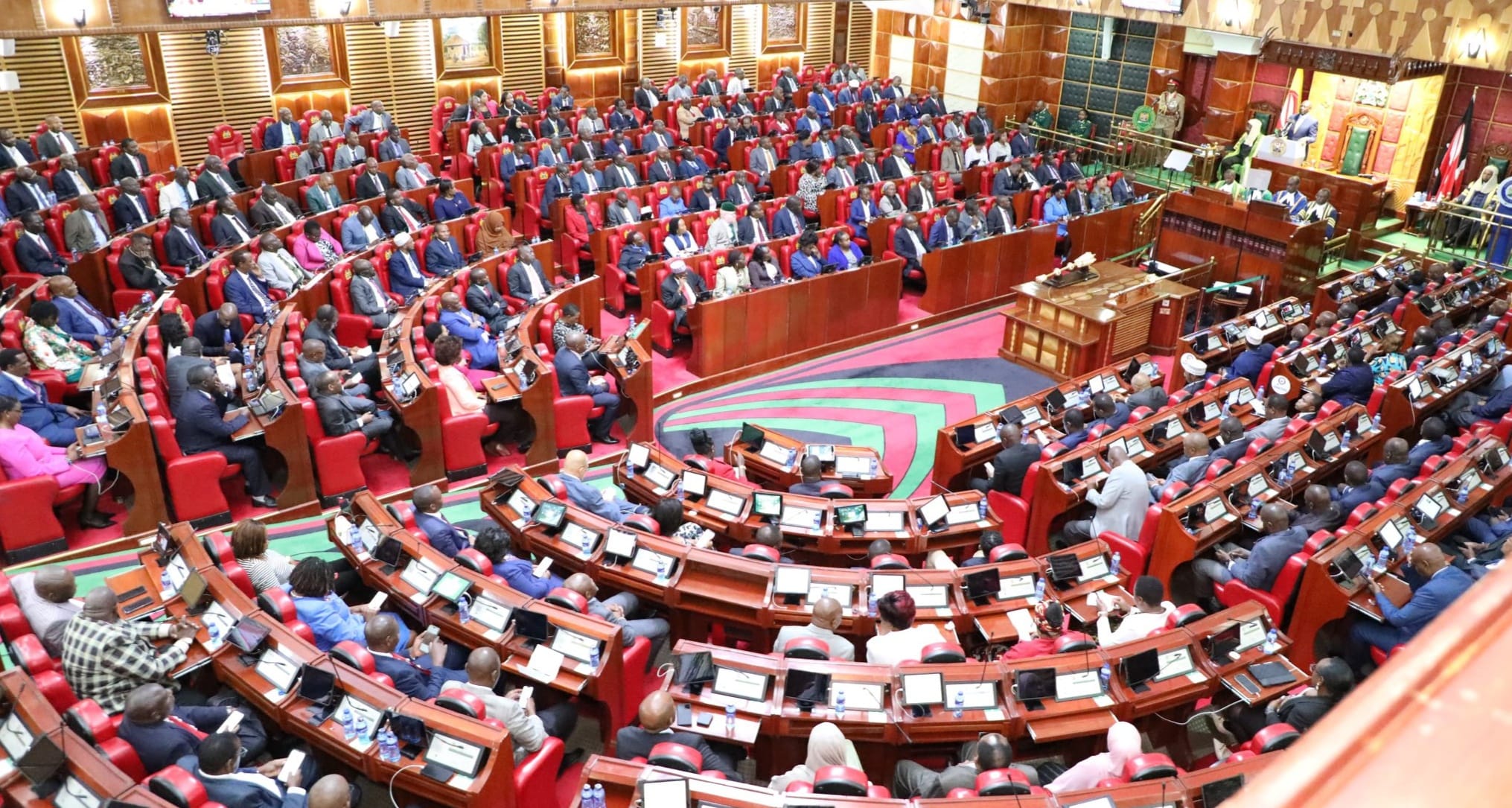
Members of parliament [Photo/Parliament] - Kimani directed that the company carries out an investigation on the riders they have on boarded and who have made complaints that their motorbikes had been stolen and follow up with an aim of compensating them. The committee directed the credit providers to create a conducive business environment that does not exploit their customers.
- Read Also: Integrating cryptocurrency into traditional finance
- The company agreed to cooperate with the Committee in its ongoing probe even as it moves to make legislative interventions to remedy the situation. Road traffic accidents constitute a significant health and development problem in Kenya. Among the areas that the Committee focused on was over-indebtedness, default areas and financial stability of consumers especially the boda boda riders whom the Members held require cushioning from exploitation. The MPs also sought to know if the company has been meeting their tax obligations.
In response, the company management told the Committee that they had contributed over Sh5 billion in taxes to the Kenya Revenue Authority since they began their operations in Kenya, and had made over a Sh1 billion in losses.
STAY INFORMED
Unlock Business Wisdom – Join The Exchange Africa’s Newsletter for Expert African Business Insights!
-
- Among the seven countries in which Watu Credit Operates only Kenya has no regulations for asset financing firms.
- The engagement is part of an ongoing inquiry being conducted by the Finance and National Planning Committee on credit lenders.
- The CEO acknowledged that there is a lacuna in law for the regulation of the business and to address customers’ concerns.
The concept of asset financing
Asset financing is a loan product for the funding of moveable assets. Its flexibility helps debtors free up cash by enabling them to acquire assets with minimum turmoil. Loans offered through asset financing are settled using the value of the assets involved. This type of financing is an effective alternative for a company or individual not qualified to secure traditional financing.
- Purchasing assets directly can be expensive, and risky, and hold a company or individual back from expansion. Asset financing provides a great option to acquire the assets the business needs without excessive expenditures. Asset financing structure has benefits for both the lenders and the borrowers. Asset financing can be in many forms like hire purchase, equipment lease, asset refinance, operating lease, or finance lease depending on the kind of business you are involved in.
Tension between Asset financing firms and the Government in Kenya
It has emerged that Kenya is the only country in the region without a law governing the operations of the Buy-Now-Pay-Later companies exposing locals to exploitative dealings.
A probe by Members of Parliament on the industry players has revealed that the firms acquire loans from banks and financial institutions at a rate of 20 percent and advance the same through asset acquisition at a rate of up to 103 per cent.
The MPs had summoned Asset Financing entities Watu Credit Ltd, MOGO Credit Ltd, and M-Kopa Credit to appear before it about the allegation of exploitative lending practices to the Boda Boda operators in the country.
The engagement is part of an ongoing inquiry being conducted by the Finance and National Planning Committee on credit providers.
Appearing before the Committee, the credit providers were put to task to explain under which regulations they have operating.
Read Also: BAK Opposed to Digital Asset Tax under Finance Bill 2023
Watu Credit Chief Executive Officer, Andris Kaneps and the Country Manager, Eric Massawe revealed that the facility does not have a regulatory framework governing their relationship with their clients.
Members of Parliament [Photo/Parliament]
The Committee also heard that the credit provider facility is currently not regulated under any specific Act or regulations, and neither does it access credit facilities through a digital platform or receive money directly.
“The interaction with our customers is through M-Pesa which is the channel customers pay their loans,” said Kaneps.
He explained to the MPs that Watu Company relies on commercial loans obtained from Kenyan Banks with an interest rate averaging 20 per cent, while the total cost of ownership by customers is computed at percentage of 103, annually.
The Members found this to be exploitative to clients, since they end up paying interests higher than the purchasing cost of the asset.
Additionally, with regard to the regulatory regime, the director admitted there is a gap in law as all Acts that fall under the services provided by the company do not specifically regulate non-deposit asset financing.
Further, he admitted that among the seven countries in which they operate , Kenya is the only country without regulation in that area.
The committee chaired by Kuria Kimani questioned why the logbook of the asset is registered in the name of the owner of the credit providers facility, instead of a joint ownership between the client and the company.
“We find this situation not in favour of the client because in the case of an accident the compensated party is the name that falls under the logbook thus leaving the client vulnerable,” said Kimani.
The Committee Members while pointing out the confusion on which category the business falls under, sought answers as to why once the motorcycles are stolen and repossessed, they are renamed under Watu Nominees Company which is a subsidiary company owned by the Watu Credit Company.
No Regulations for Asset Financing Firms
The CEO acknowledged that there is a lacuna in law for the regulation of the business and to address customers’ concerns.
Members of parliament [Photo/Parliament] - Kimani directed that the company carries out an investigation on the riders they have on boarded and who have made complaints that their motorbikes had been stolen and follow up with an aim of compensating them. The committee directed the credit providers to create a conducive business environment that does not exploit their customers.
- Read Also: Integrating cryptocurrency into traditional finance
- The company agreed to cooperate with the Committee in its ongoing probe even as it moves to make legislative interventions to remedy the situation. Road traffic accidents constitute a significant health and development problem in Kenya. Among the areas that the Committee focused on was over-indebtedness, default areas and financial stability of consumers especially the boda boda riders whom the Members held require cushioning from exploitation. The MPs also sought to know if the company has been meeting their tax obligations.
In response, the company management told the Committee that they had contributed over Sh5 billion in taxes to the Kenya Revenue Authority since they began their operations in Kenya, and had made over a Sh1 billion in losses.
STAY INFORMED
Unlock Business Wisdom – Join The Exchange Africa’s Newsletter for Expert African Business Insights!
Share this content: