- The National Cancer Biobank Network (NCBN) will initially recruit and catalogue 10,000 cancer biospecimens, with ambitions to scale to 100,000 samples by 2028.
- The next phase will focus on capacity building within the eight federal hospitals, harmonisation of biobanking procedures, roll out of common data and quality standards.
Nigeria has begun implementing a nationally coordinated cancer biobank network linking eight federal hospitals across the country’s six geopolitical zones, an initiative aimed at strengthening cancer research and precision oncology in Africa’s most populous nation.
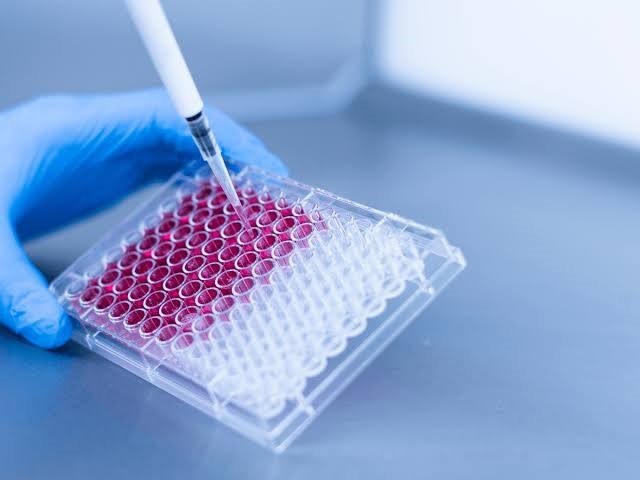
The National Cancer Biobank Network (NCBN), led by the National Institute for Cancer Research and Treatment (NICRAT) in partnership with Lagos-based health data infrastructure company BioVana, will initially recruit and catalogue 10,000 cancer biospecimens, with ambitions to scale to 100,000 samples by 2028.
The project builds on a memorandum of understanding signed between the two organisations in 2025 and represents one of the first nationally coordinated cancer biobank networks of its kind in Africa. Under the arrangement, NICRAT provides national leadership and institutional oversight, while BioVana leads technical implementation, including digital infrastructure, standards alignment for sample and data management, and capacity building across participating institutions.
Nigeria National Cancer Biobank Network
The announcement comes as Nigeria confronts a heavy cancer burden. According to the Global Cancer Observatory, the country recorded an estimated 152,000 cancer cases and just over 90,000 deaths in 2024. Across Africa, more than one million new cancer cases were reported in 2020, a figure projected to double to two million over the next 15 years, according to Africa Cancer Control Partners.
Proponents argue that fragmented research resources have long hampered Nigeria’s ability to conduct large-scale, multi-site studies. The NCBN aims to connect cancer samples and associated clinical data across institutions under common standards and governance, making it easier for researchers to undertake biomarker discovery, diagnostics development and precision oncology research relevant to Nigerian patients.
“Nigeria already has significant cancer research resources distributed across institutions. The NCBN is about connecting those resources through the standards, infrastructure and governance required to make them more useful for research,” said Estelle Dogbo, co-founder and chief executive of BioVana.
Dogbo, who founded the company in 2025 with Dr Jumi Popoola, said the network could serve as a template for the continent. “Our vision is for the NCBN to become a blueprint for nationally coordinated biomedical research infrastructure across Africa, demonstrating how countries can connect their institutions, strengthen local research capacity and responsibly unlock their biomedical resources for cancer research and global discovery.”
The initiative has drawn support from international bodies. Following initial site assessments and a stakeholder workshop involving representatives from the World Health Organization and the International Society for Biological and Environmental Repositories (ISBER), the network is moving towards harmonised biobanking practices and shared data and quality standards.
Professor Aliyu Malami Usman, director-general of NICRAT, framed the project as foundational. “Our ambition goes beyond connecting institutions today. We are laying the foundation for a national cancer research infrastructure that can serve Nigeria for generations,” he said. He added that the network advances a longer-term vision of a central national cancer biobank supported by institutions nationwide.
Read also: DRC deploys 70,000 Ebola vaccine doses in high-stakes trial against deadly Bundibugyo strain
Future of cancer research
Dr Stella Somiari, president of ISBER, said high-quality, standards-aligned biobanking was “the foundation of trustworthy research that will allow institutions to work together across borders, while protecting research participants and communities who make this research possible.”
Dr Zisis Kozlakidis, group head of laboratory support, biobanking and services at IARC/WHO, said the future of cancer research depended on “our ability to build strong, connected research infrastructure across all regions of the world.”
The next phase will focus on continued capacity building within the eight federal hospitals, harmonisation of biobanking procedures, implementation of common data and quality standards, and recruitment of the first 10,000 cancer samples.

Leave a Reply