

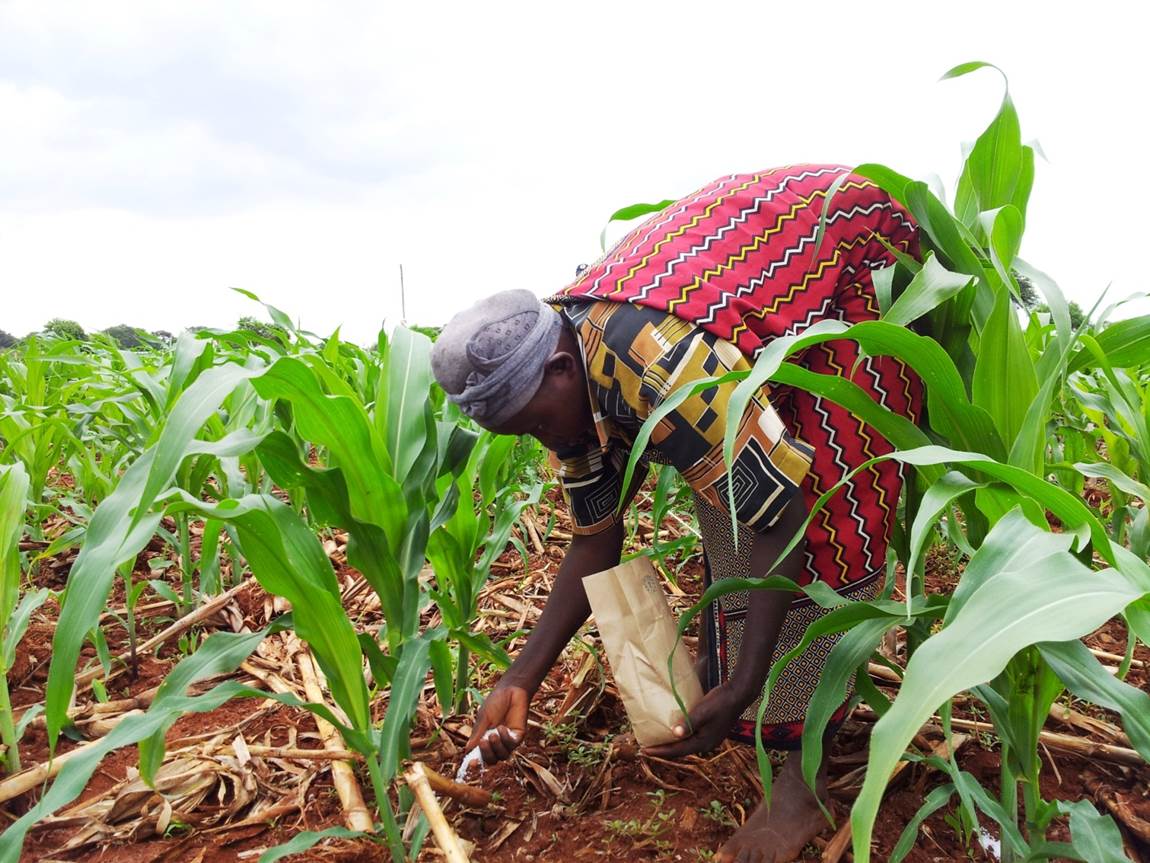

- Tanzania fertiliser subsidy programme a big boost for the agriculture sector.
- Youth urged to invest in agriculture, to earn a living, check joblessness and cultivate food security.
Tanzania’s fertiliser subsidy programme is evolving into a vital cog in driving the country’s quest for agricultural transformation and national development. Widely lauded by stakeholders, the initiative is being credited with unlocking new potential in the sector — improving access to inputs, boosting productivity, and laying the foundation for long-term food security.
A recent nationwide survey by the Tanzania Fertiliser Regulatory Authority (TFRA) underscores the programme’s growing impact. The assessment, which gathered feedback from fertiliser manufacturers, investors, partners, and end-users, aimed to evaluate how well the subsidy scheme is aligning with market needs and delivering sustainable value across the agricultural value chain.
Launched under the leadership of President Samia Suluhu Hassan, the Fertiliser Subsidy Programme is a flagship intervention by Tanzania’s sixth-phase government. It is designed to address deep-rooted challenges — from limited access to quality fertilisers and poor soil health management to systemic inefficiencies in input distribution — all with the goal of reigniting the country’s agricultural engine.
“The programme aims to improve the availability, quality and usage of fertilisers nationwide, alongside promoting sound soil health practices to build a more resilient and dynamic fertiliser sector,” the report explains.
According to the TFRA, it is by enhancing regulatory frameworks, improving infrastructure and fostering partnerships across the fertiliser value chain, that the government hopes to create an enabling environment where fertiliser use drives sustainable agricultural growth.
According to the TFRA survey, ETG, which among other sectors deals in agricultural inputs has commended the fertiliser subsidy scheme and admitted that “…the fertiliser subsidy programme has significantly improved fertiliser availability, accessibility, usage and financing.”
ETG also commends Tanzania for its efforts to strengthen fertiliser information systems, create a better business environment, increase private sector capacity, enhance institutional regulatory frameworks and improve quality assurance services in agriculture.
“Fertiliser is now available at affordable prices compared to market rates. This has increased farmers’ purchasing power, allowing them to access inputs when needed,” the TFRA report attests.
Fertiliser subsidy programme: How payments are approved
To support the fertiliser subsidy initiative, the Tanzania Agricultural Development Bank (TADB) has played a pivotal role in facilitating fertiliser procurement by approving payments for services rendered.
Thanks to backing from the TADB, ETG has distributed 300,000 metric tonnes of fertiliser worth millions of dollars to farmers across the country. “We plan to expand the number of sales centres in the upcoming farming season and strengthen cooperation with agro-dealers through the Last Mile Delivery system,” ETG reports.
Sharing his views, the Minjingu Mines and Fertiliser Company Executive Director, Hans Tosky, commended the government for the fertiliser subsidy programme, which he said has significantly boosted fertiliser access and use.
Notably, Minjingu is Tanzania’s second-largest fertiliser manufacturer and following the fertiliser subsidy launch, it has increased production capacity to meet growing local demand.
“Our fertilisers are now well recognised by farmers and we have gained a competitive edge over imported products,” Tosky revealed.
Sharing similar sentiments, the Tanzania Fertiliser Company (TFC) has also praised the fertiliser subsidy programme for ‘stabilising prices and increasing fertiliser use by farmers.’
“The programme has ensured timely fertiliser availability, boosted production, facilitated farmer identification and reduced fertiliser smuggling to neighbouring countries,” TFC said in a press release.
Fertiliser subsidy: EAC launches Sustainable Regional Agricultural Extension
Following the fertiliser subsidy launch, the Tanznaia Minister for Agriculture Hussein Bashe, says that the government has so far distributed approximately 1.45 million metric tonnes of fertiliser to farmers nationwide.
As Tanzania pushes its fertiliser subsidy programme, the East African Community has launched a three-year Sustainable Regional Agricultural Extension (ENSURE) Project, with a total budget of 12 .5 million US dollars aimed at enhancing agricultural productivity and sustainability across the region.
Share this content: