
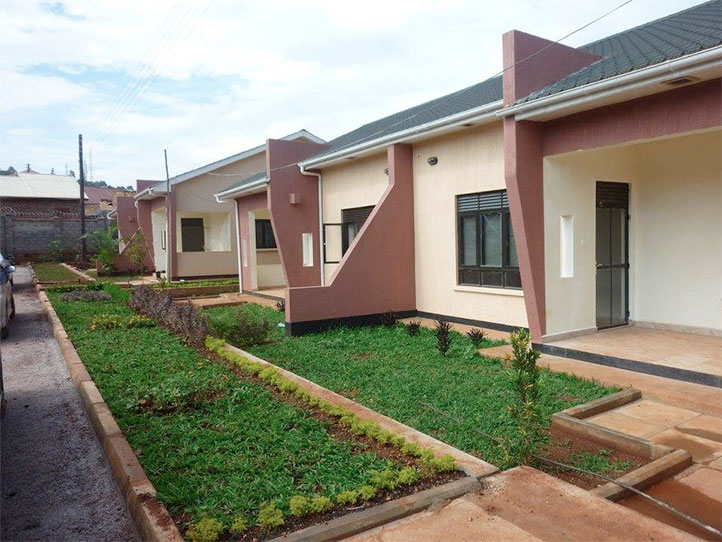
In celebration of World Habitat day, Habitat for Humanity Uganda, in collaboration with the ministry of Lands, Housing and Urban Development, along with various stakeholders, held the second housing symposium on October 5, 2023, at Mestil hotel in Kampala.
At the event attended by Minister Judith Nabakooba as the guest of honor and other dignitaries from other countries, the importance of formal settlement was re-echoed Conducted under the theme “Informal settlements as a driver for economic growth,” the symposium featured, cultivated, and advocated for collaborative pilot initiatives aimed at enhancing the housing sector in Uganda.
Its primary objectives were to encourage the development of businesses, facilitate the exchange of knowledge, and strengthen institutional and regulatory backing to incorporate sustainability principles into housing initiatives, programs and private sector housing expansion
Nabakooba, the guest of honor at the event stressed the government’s dedication to ensuring secure housing for all, in cooperation with both the public and private sectors. She highlighted the crucial role of housing in alleviating poverty, generating employment opportunities, and advancing the nation as a whole.
While recognizing the issues of insufficient and unaffordable housing in Uganda, the minister stated, “Housing is a pivotal sector within the broader urban economic framework. Once properly developed, it has the potential to significantly contribute to poverty reduction, job creation, transformation, and overall national development.”
The government presented a multi-faceted approach to enhance housing affordability, including strategies such as land consolidation, tax policy reform, and the establishment of legal frameworks. Additionally, the government aims to implement a mortgage refinancing system and provide housing options for those in need.
This symposium could not have come at a more opportune moment. Globally, approximately 1.8 billion people endure overcrowded informal settlements, often referred to as slums, characterized by insufficient housing and limited access to essential basic needs. In Uganda, a growing housing deficit of 2.4 million units persists, with 20.3 percent of the population living in poverty and facing a significant housing burden that affects their ability to provide for basic necessities.
devonssuubi@gmail.com
Source: The Observer
Share this content: