
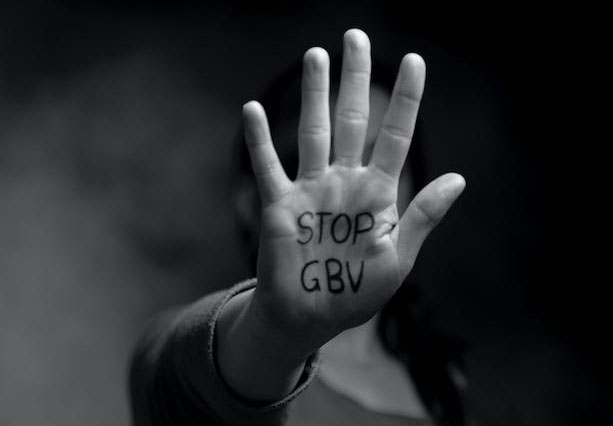
Gender-based violence (GBV) refers to harmful acts directed at an individual due to their gender.
It is rooted in gender inequality, abuse of power and expressing harmful norms. And it’s a violation of human rights. Gender-based violence that results in or is likely to result in physical, sexual, or psychological harm or suffering to women including threats of such acts, coercion or arbitrary deprivation of liberty whether occurring in public or private life.
The 2016 Uganda Demographic and health survey revealed that up to 22% of women aged 15-49 in the country had experienced some form of sexual violence. The report also revealed that annually, 13% of women aged 15 to 49 report experiencing sexual violence. This translates to more than 1 million women being exposed to sexual violence every year in Uganda.
Violence against women has taken new, more sophisticated forms. An increasing number of women are for instance reporting cyberbullying and abuse through social media and smartphones. The prevalence of psychological, physical, sexual violence and any form of violence under gender-based violence greatly affect the mental functioning of women emotionally, and psychologically affecting their mental functioning which affects their well-being in society.
Abused women live in fear as they are unable to predict when the next attack will come, and this makes them emotionally unstable and live in fear. She may become isolated from friends and family and increasingly become dependent on her abuser.
In these circumstances it can be very hard to make sense of what is really happening over time, her self-esteem may be worn down like water dripping on a stone. She may start to believe her abuser’s insults; she may blame herself for the abuse or deny that it is taking place or even be hoping that the abuser if partner that will change. This can lead to anxiety disorder.
Abused women experience shame which leads to a feeling unworthy to them and this can lead to a mood disorder. For example, a raped woman will forever feel shame about herself and always feel so bad for her body after the rape. This can take longer to heal, and this feeling affects different women in different ways.
For example, I spoke to a victim who was raped by her uncle when she was still a teenager, but since then, she decided to hate her body due to shame and also hate all men, she even became a lesbian claiming that she can’t trust her body with any man anymore because every time she sees a man, she sees a potential rapist and the fear is rebirthed so she decided to become a lesbian.
Gender-based violence also leads to suicidal feelings among women. This is so common in women who are abused through deeming words – making them feel that they are unworthy (bullying to the teenagers). This kind of violence in this form affects the mental health of women and they later develop suicidal feelings and intentions whereby they get to think that it’s better to die than to live in a world of shame.
Forced marriage/cohabitation including forced wife inheritance and forced wife kidnapping. This happens a lot in Uganda whereby in rural areas girls and women are forced into marriage without their consent, but parents and guardians do it to gain bride price and dowry or even payments and this greatly affect the mental health functioning of a woman.
What can be done?
Empowering women financially and emotionally, advocating for the victims, sensitizations on media against GBV can be something that can help to fight gender-based violence in Uganda.
The author is an academician and writer
Source: The Observer
Share this content: